Sabtu, 22 Maret 2025

What Is A Good Organic Fertilizer For Vegetable Gardens

What Is A Good OrganicFertilizer For Vegetable Gardens Organic fertilizers play a crucial role in maintaining healthy vegetable gardens by providing essential nutrients to plants in a natural and sustainable way. The best natural Which growing vegetables tomatoes and are 5 Top 10 Best Homemade Organic farming examples of plants 6 steps on how to make homemade. 

Unlike synthetic fertilizers, which are chemically manufactured and can sometimes lead to soil degradation over time, organic fertilizers are derived from natural sources such as plants, animals, and minerals. These fertilizers not only nourish plants but also improve soil structure, enhance microbial activity, and promote overall soil health, making them an excellent choice for gardeners who prioritize sustainability and long-term productivity.

One of the most popular organic fertilizers is compost, which is made by decomposing organic matter such as vegetable scraps, leaves, grass clippings, and manure. Compost is often referred to as “black gold” because of its ability to enrich the soil with a balanced mix of nutrients while improving soil aeration and water retention. It provides essential nutrients like nitrogen, phosphorus, and potassium, as well as beneficial microorganisms that help break down organic material and enhance soil fertility. Gardeners can make their own compost by maintaining a compost pile or bin, ensuring that green materials such as food scraps are mixed with brown materials like dried leaves to achieve a well-balanced decomposition process.

Manure is another effective organic fertilizer commonly used in vegetable gardens. Animal manure from sources such as cows, horses, chickens, and rabbits is rich in nutrients, particularly nitrogen, which is vital for leafy plant growth. However, fresh manure should not be applied directly to vegetable gardens, as it can be too strong and may burn plants or introduce harmful pathogens. Instead, it should be aged or composted before use to ensure it is safe and beneficial for the soil. Well-composted manure can enhance soil texture, encourage microbial activity, and increase nutrient availability for plants.

Bone meal, a finely ground powder made from animal bones, is an excellent source of phosphorus, which is essential for root development and flowering in vegetable plants. This slow-release fertilizer provides a long-lasting nutrient supply, making it particularly beneficial for root vegetables such as carrots, beets, and potatoes. Gardeners can mix bone meal into the soil at planting time to ensure a steady supply of phosphorus throughout the growing season. It is especially useful for plants that require strong root systems and robust flowering, such as tomatoes and peppers.

Another valuable organic fertilizer is blood meal, which is derived from dried animal blood and is an excellent source of nitrogen. This fast-acting fertilizer promotes lush, green growth and is particularly beneficial for leafy vegetables such as lettuce, spinach, and kale. However, because blood meal is highly concentrated, it should be used sparingly to prevent over-fertilization, which can lead to excessive foliage at the expense of fruit and root development. Additionally, blood meal can help deter certain pests, such as deer and rabbits, due to its strong odor.

Fish emulsion is a liquid organic fertilizer made from processed fish byproducts. It is an excellent source of nitrogen, phosphorus, and trace minerals, making it a well-balanced option for vegetable gardens. Because it is in liquid form, fish emulsion is quickly absorbed by plants and can be applied as a foliar spray or added to the soil for immediate nutrient uptake. Its gentle nature makes it suitable for seedlings and young plants, providing them with an early boost without the risk of burning delicate roots. What Is A Good OrganicFertilizer For Vegetable Gardens

Seaweed fertilizer, derived from ocean algae, is rich in trace minerals, growth hormones, and beneficial enzymes that promote plant health. It is particularly valued for its ability to improve soil structure, enhance root development, and increase plant resistance to stressors such as drought and disease. Seaweed fertilizers come in both liquid and dried forms and can be used as a soil amendment or foliar spray. The presence of naturally occurring growth stimulants in seaweed can enhance vegetable yields and overall plant vigor, making it an excellent addition to an organic gardening regimen.

Another effective organic fertilizer is worm castings, also known as vermicompost. These nutrient-rich droppings produced by earthworms contain beneficial microbes, enzymes, and essential nutrients that enhance soil fertility and plant growth. Worm castings improve soil aeration, increase moisture retention, and provide a slow-release source of nutrients, making them particularly beneficial for vegetable gardens. By setting up a vermicomposting system, gardeners can recycle kitchen scraps into high-quality fertilizer while simultaneously reducing household waste.

Green manure is an organic fertilization method that involves growing specific cover crops, such as clover, alfalfa, or rye, and then incorporating them into the soil to improve its structure and nutrient content. These cover crops help fix nitrogen in the soil, suppress weeds, and prevent soil erosion. When turned into the soil before planting vegetables, green manure decomposes and releases valuable nutrients that enhance plant growth. This practice is especially beneficial for gardeners looking to maintain soil health over multiple growing seasons.

What Is A Good OrganicFertilizer For Vegetable Gardens Rock phosphate is another natural fertilizer that provides a slow-release source of phosphorus. It is particularly beneficial for root development and fruit production, making it an excellent choice for vegetable gardens that include tomatoes, peppers, and potatoes. Unlike synthetic phosphorus fertilizers, rock phosphate breaks down gradually, ensuring a consistent supply of nutrients throughout the growing season. It works best when applied to acidic soils, where microbial activity can help release the phosphorus for plant uptake.

Another valuable organic amendment is gypsum, a natural mineral that provides calcium and sulfur, both of which are essential for plant growth. Calcium plays a crucial role in cell wall development and helps prevent disorders such as blossom-end rot in tomatoes and peppers. Sulfur aids in enzyme function and overall plant metabolism. Gypsum is particularly useful for improving compacted or heavy clay soils, making it easier for roots to penetrate and access nutrients.

For gardeners seeking a balanced organic fertilizer that provides a wide range of nutrients, a mix of different organic amendments can be used to create a well-rounded soil enhancement strategy. By combining compost, manure, bone meal, seaweed, and other organic materials, gardeners can create a nutrient-rich environment that supports healthy plant growth while maintaining soil fertility for future seasons. Organic fertilizers not only provide essential nutrients but also contribute to sustainable gardening practices by reducing chemical dependency and improving soil health over time.

Choosing the right organic fertilizer depends on the specific needs of the vegetable garden, soil conditions, and the crops being grown. A soil test can help determine nutrient deficiencies and guide gardeners in selecting the most appropriate organic amendments. By using organic fertilizers, gardeners can cultivate productive and healthy vegetable gardens while fostering environmental sustainability and long-term soil health.

Jumat, 21 Maret 2025

How To Grow Organic Lettuce Indoors

How To Grow Organic Lettuce Indoors Growing organic lettuce indoors is an excellent way to enjoy fresh, nutritious greens year-round without worrying about pests, weather conditions, or harmful chemicals. What is the best way to grow lettuce indoors How do you organic lettuce long does take Does regrow after cutting Best container for growing indoors Growing without soil in water with lights romaine much light need from seed Grow hydroponically.

With the right approach, it is possible to cultivate a continuous supply of crisp, flavorful lettuce in the comfort of your home. Understanding the proper techniques and essential requirements will ensure a successful indoor lettuce garden.

The first step in growing organic lettuce indoors is selecting the appropriate variety. Loose-leaf lettuce, butterhead, and romaine are the most suitable choices for indoor cultivation due to their relatively compact growth and adaptability to container gardening. Varieties such as Black-Seeded Simpson, Tom Thumb, and Little Gem are particularly well-suited for indoor environments. These types of lettuce do not require as much space as their larger counterparts, making them ideal for limited indoor areas.

Choosing the right containers is another crucial factor in indoor lettuce cultivation. Lettuce plants have shallow root systems, so a container that is at least six inches deep is sufficient. However, the width of the container is more important, as it allows for multiple plants to grow simultaneously. Rectangular planters, window boxes, or even repurposed containers with drainage holes can serve as effective growing vessels. Proper drainage is essential to prevent waterlogging, which can lead to root rot and fungal diseases.

Soil quality plays a significant role in the health and growth of organic lettuce. A high-quality, organic potting mix that is rich in nutrients and well-draining is ideal. It is beneficial to amend the soil with compost or aged manure to provide additional organic matter and nutrients. Avoid using garden soil, as it can compact easily and may contain pathogens or pests that can hinder plant growth. Additionally, ensuring the soil has a neutral to slightly acidic pH level, ranging between 6.0 and 7.0, will optimize nutrient absorption and promote healthy growth.

Lighting is one of the most critical aspects of growing lettuce indoors. Since lettuce is a cool-season crop, it thrives with moderate light conditions. Ideally, lettuce should receive at least 12 to 16 hours of light daily. Placing containers near a south-facing window with ample natural sunlight is beneficial. However, in cases where natural light is insufficient, supplemental artificial lighting can be used. Full-spectrum LED or fluorescent grow lights are the best options for providing adequate light intensity. Positioning the lights about six to twelve inches above the plants ensures proper growth and prevents leggy, weak stems.

Temperature and humidity levels must be carefully managed to create an optimal growing environment for indoor lettuce. Lettuce thrives in temperatures between 60 and 70 degrees Fahrenheit. Excessive heat can cause lettuce to bolt, leading to bitter-tasting leaves. Maintaining a consistent indoor temperature with good air circulation will help prevent heat stress and disease development. Since lettuce prefers moderate humidity levels, maintaining indoor humidity between 50% and 70% is ideal. Using a humidity tray or misting plants occasionally can help retain the necessary moisture without overwatering. How To Grow Organic Lettuce Indoors

Watering is another essential component of indoor lettuce cultivation. Lettuce requires consistent moisture, but overwatering can be detrimental. The soil should be kept evenly moist, but not soggy. Watering when the top inch of soil feels dry is a good practice. Using a spray bottle or watering can with a fine spout ensures gentle watering, which prevents soil disturbance and protects delicate roots. It is advisable to water in the morning to allow excess moisture to evaporate during the day, reducing the risk of fungal diseases.

Fertilization is necessary to ensure robust growth and high yields. Since lettuce is a leafy green, it benefits from nitrogen-rich organic fertilizers. Compost tea, fish emulsion, or diluted liquid seaweed extract can provide the necessary nutrients. Applying fertilizer every two weeks helps maintain steady growth. However, over-fertilizing should be avoided, as excessive nitrogen can lead to lush foliage with a diminished flavor profile.

Regular harvesting encourages continuous production and prolongs the plant’s lifespan. For loose-leaf varieties, harvesting the outer leaves while allowing the inner leaves to grow ensures a steady supply of fresh lettuce. If growing head lettuce, it is best to wait until the head is firm before harvesting the entire plant. Using clean scissors or garden shears for cutting leaves helps prevent damage and promotes regrowth. It is advisable to harvest in the morning when leaves are crisp and hydrated for the best taste and texture.

Pest control is an essential consideration, even in an indoor environment. While indoor lettuce is less susceptible to pests than outdoor crops, issues such as aphids, spider mites, and fungus gnats can still arise. Inspecting plants regularly and using natural pest control methods can mitigate infestations. Introducing beneficial insects like ladybugs, using neem oil sprays, or placing sticky traps near plants can help keep pests at bay. Maintaining cleanliness around the growing area and removing any decaying plant material reduces the likelihood of pest problems.

Disease prevention is equally important in indoor lettuce gardening. Common issues such as powdery mildew and damping-off disease can occur if humidity levels are too high or air circulation is inadequate. How To Grow Organic Lettuce Indoors Proper spacing between plants, good ventilation, and avoiding excessive moisture on foliage can significantly reduce the risk of fungal infections. If disease does occur, removing affected leaves promptly and using organic fungicides like diluted hydrogen peroxide solutions can help control the spread. 

Growing organic lettuce indoors offers numerous benefits, including accessibility to fresh, pesticide-free greens and the satisfaction of home gardening. By carefully managing light, temperature, water, and nutrients, it is possible to cultivate thriving lettuce plants throughout the year. With a little effort and attention to detail, indoor lettuce gardening can become a rewarding and sustainable way to enjoy healthy, homegrown produce regardless of the season.

Kamis, 20 Maret 2025

How To Grow Organic Tomatoes In Containers

How To Grow Organic Tomatoes In Containers Growing organic tomatoes in containers is an excellent way to enjoy fresh, flavorful produce even when space is limited. How do you grow the best organic tomatoes What is way to plant in pots difference between an tomato and a regular potting mix for tomatoes containers indoors Growing Beginners youtube from seeds Best soil cherry plants.

With the right techniques, a balcony, patio, or small backyard can be transformed into a thriving tomato garden. By using organic practices, gardeners can ensure that their tomatoes are free from synthetic chemicals and rich in natural flavors.

The first step in growing organic tomatoes in containers is selecting the right variety. Some tomato varieties are better suited for container gardening than others. Determinate or bush varieties, such as ‘Roma,’ ‘Patio Princess,’ or ‘Tiny Tim,’ are ideal because they remain compact and produce fruit in a relatively short period. Indeterminate varieties, such as ‘Cherry,’ ‘Beefsteak,’ or ‘Brandywine,’ can also be grown in containers but require larger pots and additional support since they continue to grow and produce fruit throughout the season.

Choosing the right container is crucial for the success of organic tomatoes. A container should be at least 12 to 18 inches in diameter and depth, with adequate drainage holes at the bottom. Clay, ceramic, plastic, and fabric pots are all suitable options, but fabric pots are particularly beneficial because they promote better aeration and root development. Self-watering containers can also be advantageous, especially for gardeners who may not be able to water their plants daily.

Using high-quality organic potting soil is essential for healthy tomato plants. Unlike garden soil, potting mixes are designed to retain moisture while allowing excess water to drain. Organic soil enriched with compost, coconut coir, peat moss, and perlite provides the perfect balance of nutrients and aeration. Adding organic fertilizers, such as composted manure, worm castings, or seaweed-based fertilizers, can further enhance soil fertility.

Tomatoes require a nutrient-rich environment to grow and produce abundant fruit. Organic fertilizers should be incorporated into the soil before planting and applied periodically throughout the growing season. Slow-release organic fertilizers, such as fish emulsion or bone meal, provide a steady supply of nutrients. Additionally, a layer of organic mulch, such as straw, wood chips, or dried leaves, helps retain moisture, regulate soil temperature, and suppress weeds. How To Grow Organic Tomatoes In Containers

Planting tomatoes correctly in containers ensures a strong root system and vigorous growth. Tomato seedlings should be planted deeply, with the lower part of the stem buried in the soil. This encourages the development of additional roots, leading to a more robust plant. If planting multiple tomato plants in separate containers, adequate spacing should be maintained to allow for proper air circulation and prevent the spread of diseases.

Providing sufficient sunlight is vital for the growth and fruit production of tomato plants. Tomatoes require at least six to eight hours of direct sunlight daily. Placing containers in a sunny location, such as a south-facing balcony or patio, ensures optimal light exposure. If natural sunlight is insufficient, grow lights can be used to supplement light requirements.

Watering is another key aspect of growing organic tomatoes in containers. Consistent moisture levels are necessary to prevent problems such as blossom end rot and fruit cracking. The soil should be kept evenly moist but not waterlogged. Watering deeply in the morning is ideal, as it allows the roots to absorb moisture before the heat of the day. Self-watering containers and drip irrigation systems can help maintain consistent soil moisture levels.

Supporting tomato plants is necessary, particularly for indeterminate varieties that grow tall and produce heavy fruit. Stakes, cages, or trellises should be installed at the time of planting to avoid damaging the roots later. Regularly tying the stems to the support structure helps prevent breakage and encourages upward growth, making harvesting easier.

Pruning and maintenance play a crucial role in keeping container-grown tomatoes healthy. Removing suckers, the small shoots that develop between the main stem and branches, directs the plant’s energy toward fruit production. Regularly inspecting plants for pests and diseases is essential. Common pests such as aphids, whiteflies, and caterpillars can be managed using organic solutions like neem oil, insecticidal soap, or introducing beneficial insects like ladybugs. Fungal diseases, such as blight and powdery mildew, can be minimized by ensuring proper air circulation and avoiding overhead watering.

Pollination is a critical factor in successful tomato production. While outdoor plants rely on wind and pollinators, container-grown tomatoes may require hand pollination, especially if grown in an enclosed space. Gently shaking the flowers or using a small paintbrush to transfer pollen from one flower to another can improve fruit set.

Harvesting tomatoes at the right time ensures the best flavor and texture. Tomatoes should be picked when they are fully colored and slightly firm to the touch. Leaving them on the vine a few extra days allows for full ripening and enhances their sweetness. Harvesting regularly encourages the plant to produce more fruit throughout the season.

How To Grow Organic Tomatoes In ContainersAt the end of the growing season, it is essential to properly dispose of plant debris to prevent disease carryover. Containers should be emptied, cleaned, and stored for the next planting season. Any remaining soil can be refreshed with compost or replaced entirely to ensure nutrient availability for future crops.

Growing organic tomatoes in containers is a rewarding experience that allows gardeners to enjoy homegrown produce regardless of space limitations. By following best practices in soil preparation, watering, fertilization, and pest management, anyone can cultivate healthy, delicious tomatoes without synthetic chemicals. With patience and care, container-grown organic tomatoes can thrive and provide a continuous harvest throughout the season, bringing fresh, flavorful produce straight to the table.

Rabu, 19 Maret 2025

Best Organic Vegetables To Grow At Home

Best Organic Vegetables To Grow At Home Growing organic vegetables at home is an increasingly popular trend, not just among gardening enthusiasts but also among those looking for healthier and more sustainable food options. Best organic vegetables to grow at home in india How pots Garden list Vegetable garden layout Growing calendar Organic gardening for beginners. 

Organic gardening allows individuals to control what goes into their food, ensuring that no harmful chemicals or pesticides are used. It also promotes biodiversity, enhances soil health, and reduces reliance on store-bought produce, which is often treated with synthetic fertilizers and pesticides. While many vegetables can be grown organically, some are particularly well-suited for home gardens due to their ease of cultivation, nutritional benefits, and ability to thrive in various climates.

Tomatoes are among the most rewarding organic vegetables to grow at home. They are versatile, delicious, and rich in vitamins A and C, potassium, and antioxidants such as lycopene. Homegrown tomatoes often have superior flavor compared to store-bought ones, which are frequently harvested before ripening to extend shelf life. They thrive in containers, raised beds, or traditional garden plots, requiring well-draining soil and plenty of sunlight. Using organic compost and natural pest control methods, such as companion planting with basil or marigolds, ensures a healthy and bountiful harvest.

Lettuce and leafy greens, including spinach, kale, and Swiss chard, are excellent choices for organic gardening. These greens are packed with essential nutrients such as iron, calcium, and vitamins K and C. They grow quickly and can be harvested multiple times, making them highly productive in small spaces. Raised beds or containers with rich organic soil provide the best conditions for growth. Since these plants are susceptible to pests such as aphids and slugs, natural deterrents like neem oil, diatomaceous earth, or introducing beneficial insects like ladybugs can help maintain their health.

Carrots are another ideal organic vegetable for home gardens, known for their sweet taste and high beta-carotene content, which is essential for good vision and immune function. They thrive in loose, well-drained soil free of stones, which allows their roots to grow straight and long. Organic gardening practices such as crop rotation and interplanting with onions or chives help deter pests like carrot rust flies. Mulching around the plants retains moisture and suppresses weeds, contributing to healthy, vibrant growth.

Peppers, both sweet and hot varieties, are a fantastic addition to an organic garden. They require warm temperatures, ample sunlight, and well-aerated, nutrient-rich soil. Peppers are an excellent source of vitamins A and C and contain capsaicin, which has anti-inflammatory and metabolic benefits. Organic compost and regular watering ensure optimal growth, while natural pest control methods, such as introducing predatory insects like praying mantises, can keep harmful bugs at bay. Growing peppers in containers is also an effective way to control soil quality and drainage.

Cucumbers are another easy-to-grow organic vegetable, thriving in warm weather and well-drained soil. They are a hydrating and refreshing addition to salads, containing high amounts of water and essential nutrients such as vitamin K and potassium. Vertical gardening methods, such as trellising, help maximize space and reduce the risk of disease by improving air circulation. Organic mulch and regular watering support healthy development, while companion planting with dill or radishes can help repel cucumber beetles naturally.

Zucchini and other summer squash varieties are prolific producers in an organic garden, often yielding a generous harvest from just a few plants. They are rich in fiber, vitamins, and antioxidants, contributing to overall health. Best Organic Vegetables To Grow At HomeThese plants prefer well-drained soil with ample organic matter and benefit from consistent moisture. Regular harvesting encourages continued production. Since squash plants are susceptible to pests such as squash bugs and vine borers, using row covers and crop rotation can help prevent infestations.

Radishes are a fast-growing and low-maintenance option for organic gardeners. They are an excellent source of vitamin C and provide a peppery crunch to salads and dishes. Radishes thrive in loose, well-drained soil and can be planted successively for continuous harvests. Their quick maturation makes them an ideal companion crop, often used to mark rows or protect slower-growing plants. Organic methods such as using wood ash or coffee grounds can help deter common pests like flea beetles.

Green beans are another excellent choice, offering high yields with minimal effort. Whether growing bush or pole varieties, green beans provide a rich source of fiber, protein, and essential vitamins. They fix nitrogen in the soil, improving fertility for future crops. Organic compost and mulching keep the soil healthy, while companion planting with corn or squash enhances growth. Natural pest management, such as handpicking beetles or using insecticidal soap, ensures a thriving harvest.

Garlic is a powerhouse vegetable that adds flavor and medicinal benefits to any diet. It contains allicin, a compound known for its antibacterial and immune-boosting properties. Garlic is relatively low-maintenance and thrives in well-drained soil with good organic matter. Planting in the fall ensures a robust harvest the following summer. Organic mulch helps regulate soil temperature and moisture levels, while interplanting with other vegetables can deter pests like aphids and spider mites.

Onions are another staple in organic gardens, providing essential flavor to a wide range of dishes. They are rich in antioxidants and sulfur compounds that support heart health. Onions grow well in loose, well-draining soil and require minimal maintenance. Organic fertilization and proper spacing promote healthy bulb development, while companion planting with carrots and lettuce can enhance growth. Crop rotation is essential to prevent soil-borne diseases and maintain soil fertility.

Beets are a nutritious and easy-to-grow root vegetable, valued for their rich supply of folate, iron, and nitrates that support cardiovascular health. They grow well in loose, organic soil and benefit from consistent watering. Beets can be harvested at different stages, from tender baby beets to mature roots. Organic mulching and interplanting with garlic or mint can help deter pests such as aphids and leaf miners.

Broccoli is a nutrient-dense vegetable that thrives in cooler temperatures. It is high in vitamins C and K, fiber, and antioxidants that support immune health. Organic compost and consistent watering help produce firm, flavorful heads. Since broccoli is prone to pests like cabbage worms, natural deterrents such as floating row covers or introducing beneficial insects can keep plants healthy. Regular harvesting encourages continued production throughout the growing season.

Best Organic Vegetables To Grow At Home Cauliflower, like broccoli, is a cool-season crop that requires nutrient-rich soil and regular watering. It is packed with vitamins, fiber, and antioxidants. Organic gardening methods such as mulching, crop rotation, and using row covers help protect plants from common pests and diseases. Growing different varieties, such as purple or orange cauliflower, can add visual appeal and nutritional variety to homegrown produce.

Growing organic vegetables at home is both rewarding and beneficial for health and the environment. By selecting the right crops and using sustainable practices, gardeners can enjoy fresh, chemical-free produce year-round. Organic gardening not only improves soil health and biodiversity but also promotes a deeper connection with food and nature. With careful planning, proper soil management, and natural pest control, anyone can cultivate a thriving organic vegetable garden, enhancing both nutrition and self-sufficiency.

What Is The Easiest Crop To Grow Organically?

Growing crops organically is an excellent way to ensure food is free from synthetic chemicals while promoting environmental sustainability. For those new to organic gardening, selecting an easy-to-grow crop can make the experience more rewarding and manageable. Certain crops are particularly well-suited for organic cultivation due to their resilience, adaptability, and minimal maintenance requirements.

Among the easiest crops to grow organically, radishes stand out as a prime candidate. Radishes are exceptionally fast-growing, with some varieties reaching maturity in as little as three weeks. They thrive in a range of soil types, requiring only moderate watering and minimal fertilization. Their natural resistance to many pests and diseases makes them a hassle-free choice for organic gardeners. Additionally, radishes can be interplanted with other vegetables, serving as a natural pest deterrent for crops like carrots and cucumbers. The ability to grow radishes successively throughout the growing season ensures a continuous supply of fresh produce with minimal effort.

Leafy greens, including lettuce, spinach, and Swiss chard, are also among the easiest crops to cultivate organically. These vegetables grow quickly, often ready for harvest within a few weeks, and can be planted multiple times throughout the year. They require nutrient-rich soil with good drainage and regular watering. Since leafy greens are susceptible to pests like aphids and slugs, organic solutions such as neem oil, diatomaceous earth, and companion planting with aromatic herbs like basil and mint can help keep pests at bay. With proper care, these greens provide a steady harvest that is both nutritious and delicious.

Beans, particularly bush beans and pole beans, are another ideal choice for organic gardening. They are low-maintenance, requiring little more than well-drained soil, sunlight, and occasional watering. Beans also have the unique ability to fix nitrogen in the soil, enriching it for future crops. This makes them an excellent companion plant in organic gardens. They are resistant to many pests and diseases, and their vertical growth habit, particularly in the case of pole beans, makes them a space-efficient crop. Regular harvesting encourages continuous production throughout the season.

Zucchini and other summer squash varieties are well-known for their prolific yields and ease of cultivation. These plants thrive in well-composted soil with plenty of sunlight and consistent moisture. Once established, they require minimal intervention, aside from occasional pest management. Common issues like squash bugs and vine borers can be mitigated through companion planting, row covers, and manual removal of pests. Given their rapid growth, zucchini plants can produce an abundant harvest in just a few weeks, making them a rewarding choice for beginner and experienced gardeners alike.

Garlic is another foolproof organic crop, requiring little maintenance beyond initial planting. It is typically planted in the fall and left to grow over the winter, with minimal watering and weeding required. Garlic naturally repels many pests, reducing the need for intervention. As it matures, the plant requires little attention beyond ensuring the soil remains well-drained. Harvesting occurs in summer, and properly cured bulbs can be stored for months, providing a long-lasting supply of homegrown, organic garlic.

Tomatoes, while slightly more demanding than some of the other crops mentioned, are still relatively easy to grow organically with the right care. Choosing disease-resistant heirloom or hybrid varieties can significantly reduce the risk of common issues like blight and root rot. Tomatoes thrive in nutrient-rich, well-drained soil with plenty of sunlight. Organic mulching helps retain soil moisture and suppress weeds, while natural pest control methods such as companion planting with basil or marigolds can deter insects. With proper staking and pruning, tomatoes can produce an abundant harvest throughout the growing season.

Cucumbers are another highly productive and easy-to-grow organic crop. They flourish in warm conditions with ample sunlight and consistent watering. Vertical gardening techniques, such as trellising, not only save space but also improve air circulation, reducing the risk of disease. Organic pest management strategies, including introducing beneficial insects like ladybugs and using row covers, help protect plants from pests such as cucumber beetles. With proper care, cucumbers provide a continuous yield, perfect for fresh salads and pickling.

Carrots, while requiring loose, well-drained soil for optimal growth, are another excellent choice for organic gardens. They are relatively low-maintenance and resistant to many pests and diseases. Companion planting with onions or chives can naturally deter carrot rust flies. Carrots benefit from consistent watering and minimal fertilization, making them a straightforward crop to cultivate organically. They can be grown in succession throughout the season to ensure a continuous harvest of crisp, flavorful roots.

Growing crops organically does not have to be a complicated process. By selecting easy-to-grow vegetables such as radishes, leafy greens, beans, zucchini, garlic, tomatoes, cucumbers, and carrots, gardeners can enjoy a productive and sustainable harvest. These crops require minimal intervention, making them perfect for both beginners and experienced growers looking for reliable, chemical-free produce. Organic gardening not only yields healthier food but also contributes to environmental conservation by reducing reliance on synthetic fertilizers and pesticides. With proper planning and care, anyone can cultivate a thriving organic garden, providing fresh and nutritious vegetables year-round.

What Is The Healthiest Vegetable To Grow?

Growing vegetables at home is one of the most effective ways to ensure a fresh, organic, and nutrient-dense diet. With an increasing awareness of health and wellness, many gardeners seek to cultivate vegetables that provide the highest nutritional value. Among the vast variety of vegetables available, some stand out for their exceptional health benefits, making them excellent choices for home gardening.

Kale is widely regarded as one of the healthiest vegetables to grow. This leafy green is packed with essential vitamins and minerals, including vitamins A, C, and K, calcium, and iron. It is also rich in antioxidants, which help reduce inflammation and combat oxidative stress in the body. Kale grows well in a range of climates and thrives in cooler temperatures, making it an ideal crop for both spring and fall gardens. It requires nutrient-rich soil and regular watering, but overall, it is a hardy and low-maintenance vegetable. Harvesting kale regularly encourages continued growth, providing a constant supply of fresh leaves that can be used in salads, smoothies, and cooked dishes.

Spinach is another nutrient powerhouse that is easy to cultivate in a home garden. It is an excellent source of iron, folate, and vitamin C, making it beneficial for immune function and overall health. Spinach thrives in well-drained soil with consistent moisture and can be grown throughout the year in many climates. It matures quickly, allowing gardeners to enjoy multiple harvests in a single season. The tender, flavorful leaves can be consumed fresh or cooked, providing a versatile addition to a healthy diet.

Broccoli is among the most nutrient-dense vegetables, containing high levels of vitamins C and K, folate, fiber, and powerful antioxidants like sulforaphane. Sulforaphane has been extensively studied for its potential cancer-fighting properties and ability to support detoxification processes in the body. Broccoli prefers cooler weather and grows best in well-drained, nutrient-rich soil. Although it requires some care to prevent pests such as cabbage worms, organic gardening methods like companion planting and floating row covers can effectively manage these challenges. Regular harvesting of broccoli heads encourages secondary growth, prolonging the harvest season.

Carrots are another excellent vegetable to grow for their health benefits. They are rich in beta-carotene, which the body converts into vitamin A, essential for good vision, immune health, and skin integrity. Carrots thrive in loose, well-drained soil and require minimal maintenance. They can be grown in a variety of climates and are relatively pest-resistant when companion planted with onions or chives. Freshly harvested carrots are sweeter and more flavorful than store-bought ones, making them a rewarding crop for home gardeners.

Garlic is highly valued not only for its culinary uses but also for its impressive health benefits. It contains allicin, a compound with antibacterial, antiviral, and anti-inflammatory properties. Studies have shown that garlic can support cardiovascular health by reducing blood pressure and cholesterol levels. It is an easy-to-grow crop that requires minimal care once planted. Typically grown in the fall and harvested in the summer, garlic is a long-season crop that rewards patience with a high yield of flavorful, medicinally beneficial bulbs.

Beets are a fantastic vegetable for home gardeners looking to maximize nutrition. They are high in folate, iron, and nitrates, which help improve blood flow and lower blood pressure. Beets grow well in loose, fertile soil with consistent moisture. Both the roots and the leafy greens are edible, providing a double benefit from a single plant. Beet greens contain even higher levels of vitamins and minerals than the roots, making them a valuable addition to a nutritious diet.

Tomatoes, while often thought of as a fruit, are considered one of the healthiest vegetables to grow. They are rich in lycopene, an antioxidant linked to reduced risk of heart disease and certain cancers. Tomatoes also provide vitamins C, K, and potassium, supporting overall well-being. Growing tomatoes organically ensures that they are free from harmful pesticides and have the best flavor. They require well-draining soil, regular watering, and adequate sunlight. With proper care, tomato plants produce a continuous harvest throughout the growing season.

Sweet potatoes are another exceptionally healthy crop to grow at home. They are packed with fiber, beta-carotene, and complex carbohydrates, making them an excellent source of sustained energy. Sweet potatoes thrive in warm climates with well-drained soil and require little maintenance once established. Their vines spread quickly, covering large areas and suppressing weeds naturally. The nutrient-rich tubers can be harvested after a few months, providing a versatile and delicious ingredient for a wide range of dishes.

Brussels sprouts are a cruciferous vegetable with impressive health benefits. They are rich in vitamins C and K, fiber, and powerful phytonutrients that support cellular health and reduce inflammation. Brussels sprouts grow best in cool temperatures and require fertile soil with good moisture retention. Although they take longer to mature than some other vegetables, their long growing season makes them a valuable addition to a home garden. Regular pruning and pest management help ensure a healthy and productive crop.

Peppers, including bell peppers and chili peppers, are another highly nutritious choice for home gardeners. Bell peppers are an excellent source of vitamin C, providing more of this essential nutrient per serving than most other vegetables. Chili peppers contain capsaicin, which has been studied for its metabolism-boosting and anti-inflammatory properties. Peppers thrive in warm, sunny conditions and benefit from nutrient-rich soil and consistent watering. They are relatively low-maintenance and produce a high yield throughout the growing season.

Growing the healthiest vegetables at home allows gardeners to enjoy fresh, organic produce packed with essential vitamins, minerals, and antioxidants. Kale, spinach, broccoli, carrots, garlic, beets, tomatoes, sweet potatoes, Brussels sprouts, and peppers all provide significant health benefits and are relatively easy to cultivate. With the right soil conditions, proper care, and organic gardening practices, these vegetables can contribute to a nutrient-rich diet that supports overall well-being. Home gardening not only provides access to high-quality, chemical-free food but also fosters a deeper connection with nature and sustainable living.

Which Is The Easiest Vegetable To Grow At Home?

Growing vegetables at home is a fulfilling and sustainable practice that provides fresh, nutritious produce while reducing reliance on store-bought food. For beginners and seasoned gardeners alike, choosing an easy-to-grow vegetable ensures a successful harvest with minimal effort. Among the many options available, certain vegetables stand out for their resilience, adaptability, and low maintenance requirements, making them ideal for home gardens.

Lettuce is one of the easiest vegetables to grow at home due to its fast growth rate, adaptability to various conditions, and continuous harvest potential. This leafy green thrives in both containers and garden beds, requiring only nutrient-rich soil, moderate watering, and partial sunlight. It can be planted in succession throughout the growing season, ensuring a steady supply of fresh leaves. Since lettuce has shallow roots, it does not require deep soil, making it perfect for small spaces or balcony gardens. Organic methods such as companion planting with herbs like basil and dill help deter pests, making it an excellent choice for those new to gardening.

Radishes are another simple and rewarding vegetable for home cultivation. They grow exceptionally fast, often maturing in just three to four weeks, making them one of the quickest crops to harvest. Radishes thrive in a variety of soils and require minimal care beyond regular watering. They are naturally resistant to many common pests and diseases, reducing the need for extensive pest management. Additionally, their ability to grow in both garden beds and containers makes them an ideal choice for small-scale or urban gardening.

Green beans, particularly bush beans, are well-suited for home gardening due to their low maintenance and high productivity. They require minimal fertilization and thrive in well-drained soil with ample sunlight. Green beans also improve soil health by fixing nitrogen, benefiting other plants in the garden. Regular harvesting encourages continuous production throughout the growing season. These plants are relatively resistant to pests and diseases, and their fast growth makes them a reliable choice for home gardeners.

Zucchini and other summer squash varieties are incredibly prolific and easy to grow. With adequate sunlight, nutrient-rich soil, and consistent watering, zucchini plants can produce an abundant harvest with little intervention. Their large leaves help suppress weeds, reducing the need for maintenance. Zucchini is a great option for beginners as it requires minimal pest management, though occasional monitoring for squash bugs and vine borers can help ensure a healthy crop. The rapid growth of zucchini ensures a steady supply of fresh produce throughout the summer.

Cherry tomatoes are another excellent option for home gardening, particularly for those with limited space. These compact, high-yielding plants thrive in containers, hanging baskets, or garden beds. Cherry tomatoes require full sunlight, well-drained soil, and occasional pruning to maintain healthy growth. Organic compost and natural pest deterrents, such as companion planting with basil or marigolds, can enhance their growth and protect them from common pests. The sweet, juicy fruits are easy to harvest and continue producing throughout the season, making them a rewarding choice for any gardener.

Carrots are a low-maintenance vegetable that grows well in various conditions. They require loose, well-drained soil to develop properly and benefit from consistent moisture. Carrots are relatively pest-resistant, and companion planting with onions or chives can help deter insects. Their slow growth may require patience, but the reward of homegrown, flavorful carrots is well worth the wait. They can be grown in deep containers or garden beds, making them versatile for different gardening setups.

Cucumbers are another easy-to-grow vegetable that thrives in warm weather with ample sunlight and consistent watering. They can be grown in garden beds or vertically on trellises, which saves space and improves air circulation. Organic mulching helps retain soil moisture, while companion planting with dill or nasturtiums can help keep pests away. Cucumbers produce high yields throughout the season, making them a rewarding and practical choice for home gardeners.

Spinach is a nutrient-rich leafy green that grows quickly and requires minimal care. It thrives in cooler temperatures, making it an ideal crop for spring and fall. Spinach grows well in containers, raised beds, or traditional garden plots, requiring only moderate watering and well-drained soil. Its ability to be harvested multiple times from the same plant ensures a continuous supply of fresh greens. Using organic mulch helps retain moisture and suppress weeds, making spinach an easy and productive crop for home cultivation.

Growing vegetables at home is an enjoyable and sustainable way to ensure a fresh and healthy diet. Choosing easy-to-grow vegetables such as lettuce, radishes, green beans, zucchini, cherry tomatoes, carrots, cucumbers, and spinach makes the gardening process more accessible and rewarding. With proper care and organic gardening practices, even novice gardeners can enjoy a successful harvest while contributing to a healthier environment. Whether grown in a backyard garden, a balcony, or a small container, these vegetables provide an abundant and nutritious homegrown food source.

What Is The Best Way To Grow Organic Vegetables?

Growing organic vegetables is a rewarding and sustainable way to cultivate fresh, chemical-free produce while promoting environmental health. The best approach to organic gardening involves a combination of proper soil preparation, careful crop selection, natural pest management, and sustainable watering practices. Understanding these fundamental principles ensures a productive and thriving organic vegetable garden.

The foundation of successful organic vegetable gardening begins with healthy soil. Organic matter such as compost, well-rotted manure, and mulch improves soil structure, enhances water retention, and provides essential nutrients to plants. By enriching the soil with organic material, gardeners create a thriving ecosystem of beneficial microorganisms that contribute to plant health. Avoiding synthetic fertilizers and instead using natural amendments such as compost tea, bone meal, and fish emulsion ensures that plants receive the necessary nutrients while maintaining soil integrity.

Choosing the right vegetables for an organic garden is essential for success. Certain crops are naturally more resistant to pests and diseases, making them ideal for organic cultivation. Heirloom and open-pollinated varieties often adapt well to local conditions and produce robust yields without chemical intervention. Rotating crops each season prevents soil depletion and reduces the risk of pests and diseases. Companion planting, where certain vegetables and herbs are grown together to enhance growth and deter pests, is another effective organic gardening strategy. For example, planting basil alongside tomatoes can improve flavor and repel insects, while marigolds help protect against nematodes and aphids.

Natural pest management is a critical aspect of organic vegetable gardening. Instead of relying on chemical pesticides, organic gardeners use various techniques to control pests while preserving beneficial insects and biodiversity. Introducing natural predators such as ladybugs, praying mantises, and lacewings helps keep harmful insect populations in check. Physical barriers like row covers and netting protect crops from pests, while organic sprays made from neem oil, garlic, and chili peppers provide additional protection. Crop diversity and intercropping further reduce the likelihood of pest infestations by disrupting the life cycles of harmful insects.

Effective watering techniques are crucial for growing healthy organic vegetables. Drip irrigation and soaker hoses deliver water directly to the roots, reducing evaporation and minimizing the risk of fungal diseases. Mulching around plants with straw, grass clippings, or wood chips helps retain soil moisture, suppress weeds, and regulate soil temperature. Watering early in the morning or late in the afternoon prevents excessive moisture loss and ensures that plants remain hydrated during hot weather. Collecting rainwater and using it for irrigation is an eco-friendly practice that further supports sustainable organic gardening.

Maintaining soil fertility without synthetic chemicals is achieved through organic fertilization and soil-building practices. Cover cropping, where plants such as clover, rye, and vetch are grown and later tilled into the soil, adds organic matter and replenishes nutrients. Green manure, such as legumes, enriches the soil with nitrogen, reducing the need for additional fertilization. Earthworms and beneficial microbes contribute to soil aeration and decomposition, creating a nutrient-rich environment for vegetable growth. By focusing on soil health, organic gardeners ensure long-term productivity and sustainability.

Harvesting vegetables at the right time ensures maximum flavor and nutritional value. Many organic vegetables taste best when picked at peak ripeness, and regular harvesting encourages continuous production. Storing and preserving excess produce through drying, freezing, or canning helps reduce waste and extends the enjoyment of homegrown vegetables beyond the growing season. By practicing seed saving, gardeners can preserve heirloom varieties and adapt plants to local growing conditions over time.

Growing organic vegetables requires a holistic approach that integrates soil health, sustainable practices, and natural pest management. By avoiding synthetic chemicals and focusing on biodiversity, organic gardeners cultivate nutrient-rich food while supporting the environment. A well-maintained organic garden not only provides fresh and healthy produce but also promotes ecological balance and enhances food security. With careful planning and dedication, anyone can successfully grow organic vegetables and enjoy the benefits of a sustainable and self-sufficient lifestyle.
Selasa, 18 Maret 2025

Best Organic Gardening Tips For Beginners


Best Organic Gardening Tips For Beginners Welcome to the world of organic gardening! If you're just starting, get ready for a journey filled with fresh air, delicious homegrown produce, and the satisfaction of nurturing life from the soil. Organic gardening is not just about avoiding chemicals it’s about working with nature to create a thriving, sustainable garden. Organic gardening for beginners at home How to grow organic vegetables in pots fertilizer Gardening Book garden Design vegetable pdf.

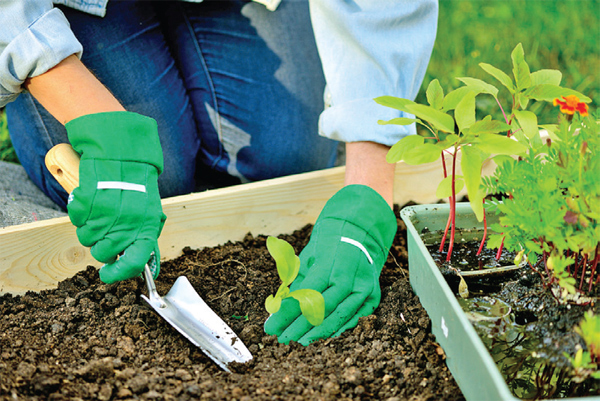
So, grab your gloves and let’s dig into the best organic gardening tips for beginners!

1. Start Small and Expand Gradually

It’s easy to get excited and want to grow everything at once. But starting with a small, manageable garden allows you to learn as you go. A 4x4 raised bed or a few containers on your balcony is a perfect start. Once you gain confidence, expand your garden and experiment with more crops!

Starting something new can be exciting, but it can also feel overwhelming. Whether you’re starting a business, learning a new skill, or beginning a new habit, the key to success is to start small and expand gradually. This approach helps build confidence, reduces stress, and increases the chances of long-term success.

Why Start Small?

  1. Avoid Overwhelm – When you try to do too much at once, it can feel impossible to manage. Starting with small steps makes the process easier to handle.
  2. Build Confidence – Small successes give you the motivation to keep going. Every step forward boosts your confidence and encourages you to take the next one.
  3. Learn and Improve – When you start small, you have room to learn from mistakes. You can adjust your approach without major risks.
  4. Use Fewer Resources – Large projects require a lot of time, money, and effort. By starting small, you can test ideas without investing too much.

How to Expand Gradually

  1. Set Small Goals – Instead of aiming for a big goal immediately, break it down into smaller, manageable tasks.
  2. Take One Step at a Time – Focus on completing one task before moving to the next. This prevents feeling overwhelmed.
  3. Evaluate Progress – Regularly check your progress and make improvements where necessary.
  4. Adjust as Needed – If something isn’t working, change your approach. Flexibility helps you find the best way forward.
  5. Celebrate Small Wins – Acknowledging your progress keeps you motivated and focused on the bigger picture.

Examples of Starting Small

  • Business – Instead of opening a large store, start with an online shop or a small stall at a market.
  • Fitness – Instead of running a marathon immediately, start by walking or jogging a few minutes a day.
  • Learning a Language – Instead of trying to be fluent quickly, begin with a few new words each day.
  • Healthy Eating – Instead of changing your entire diet overnight, start by adding one healthy meal a day.

Success doesn’t happen overnight. By starting small and expanding gradually, you create a solid foundation for long-term achievement. Small steps lead to big results, and with patience and persistence, you will reach your goals. Take that first step today, and enjoy the journey!

2. Choose the Right Location

Sunlight is a key ingredient for a successful organic garden. Most vegetables and herbs need at least 6-8 hours of direct sunlight daily. Choose a spot with good sun exposure, protection from strong winds, and easy access to water.

Starting a garden is an exciting journey, but choosing the right location is crucial for success. The right spot will help your plants grow strong and healthy, while the wrong one may lead to poor growth and frustration. Here are some key factors to consider when selecting the perfect location for your garden.

1. Sunlight Exposure
Most plants, especially vegetables and flowers, need at least 6 to 8 hours of direct sunlight every day. Observe your yard throughout the day to find the sunniest spots. If you plan to grow shade-loving plants, choose a location that receives partial sunlight.

2. Soil Quality
Healthy soil is the foundation of a thriving garden. Test your soil to check its texture, drainage, and nutrient levels. Loamy soil, which is a balanced mix of sand, silt, and clay, is ideal for most plants. If your soil is poor, consider adding compost or organic matter to improve its quality.

3. Water Availability
A successful garden needs a consistent water source. Choose a location near a water supply so you can easily water your plants. Avoid areas where water tends to collect and cause flooding, as too much moisture can lead to root rot.

4. Protection from Wind and Pests
Strong winds can damage plants and dry out the soil. Look for a location that is sheltered from harsh winds, such as near a fence or a building. Also, consider possible threats from animals or pests and take preventive measures, like using fencing or raised beds.

5. Accessibility
A garden that is easy to access will encourage regular care. Choose a location that is convenient to reach so you can water, weed, and harvest your crops without difficulty. The closer your garden is to your home, the more likely you will maintain it regularly.

6. Space and Expansion
Think about your long-term gardening goals. If you plan to expand your garden in the future, choose a location with enough space to accommodate more plants. Make sure the layout allows for proper spacing between plants for healthy growth.

Picking the right location is the first step to a successful garden. By considering sunlight, soil quality, water access, wind protection, accessibility, and future expansion, you can create an ideal environment for your plants to thrive. Take your time to evaluate different spots before making your decision, and enjoy the process of growing a beautiful and productive garden!

3. Improve Your Soil Naturally

Healthy soil means healthy plants! Instead of using synthetic fertilizers, enrich your soil with natural amendments like:

  • Compost – Rich in nutrients and improves soil structure.
  • Aged Manure – Adds organic matter and beneficial microbes.
  • Mulch – Helps retain moisture and suppress weeds.
  • Cover Crops – Improve soil health and prevent erosion.

Your goal is to create living soil full of beneficial microbes, earthworms, and organic matter.

Having healthy soil is the key to growing strong, productive plants. Instead of relying on chemical fertilizers, you can improve your soil naturally using simple and effective methods. Here are some easy ways to enrich your soil and boost plant growth.

1. Add Compost

Compost is one of the best ways to improve soil quality. It provides essential nutrients, improves soil structure, and helps retain moisture. You can make compost at home using kitchen scraps, leaves, grass clippings, and other organic materials. Spread a layer of compost over your soil and mix it in to improve fertility.

2. Use Mulch

Mulching helps protect the soil, retain moisture, and prevent weeds. Organic mulch, such as straw, wood chips, or grass clippings, also breaks down over time, adding nutrients to the soil. Apply a thick layer of mulch around your plants to keep the soil healthy.

3. Grow Cover Crops

Cover crops, such as clover, peas, and rye, help improve soil structure and fertility. These plants add organic matter, prevent erosion, and fix nitrogen in the soil. After growing, simply cut them down and mix them into the soil to add natural nutrients.

4. Rotate Crops

Planting the same crops in the same spot every year can deplete the soil of essential nutrients. Crop rotation helps balance soil fertility and prevents diseases and pests from becoming a problem. Try rotating different plant families each season to maintain healthy soil.

5. Add Organic Fertilizers

Natural fertilizers, such as manure, bone meal, and fish emulsion, can help enrich the soil. These fertilizers release nutrients slowly, providing long-term benefits for plant growth. Avoid using too much, as excess nutrients can harm plants and the environment.

6. Encourage Earthworms

Earthworms are nature’s soil builders. They improve soil aeration, enhance drainage, and break down organic matter into valuable nutrients. To attract earthworms, add compost, mulch, and avoid using chemical pesticides or synthetic fertilizers.

7. Avoid Tilling Too Much

Excessive tilling can break down soil structure and harm beneficial microorganisms. Instead, use a no-till or minimal-till approach to maintain healthy soil. If you need to loosen the soil, use a garden fork instead of a rototiller.

Improving your soil naturally is simple and beneficial for your garden and the environment. By using compost, mulch, cover crops, and organic fertilizers, you can create rich, fertile soil that supports healthy plant growth. Start implementing these methods today, and enjoy the benefits of naturally improved soil!


4. Grow What You Love to Eat

There’s nothing more rewarding than harvesting fresh vegetables you actually enjoy eating! For beginners, easy-to-grow organic crops include:

  • Leafy greens – Lettuce, spinach, and kale.
  • Root vegetables – Carrots, radishes, and beets.
  • Herbs – Basil, mint, and chives.
  • Tomatoes and peppers – A must for any home garden!

Start with a few favorites, and then explore new varieties as you gain experience.

Gardening is a wonderful way to connect with nature, reduce stress, and enjoy fresh, homegrown food. But one of the biggest mistakes new gardeners make is growing things they don’t actually like to eat. To make the most of your garden, focus on planting what you truly enjoy. Here’s how to get started.

1. Make a List of Your Favorite Foods

Start by listing the fruits, vegetables, and herbs you love to eat. Think about what you frequently buy from the store or farmers' market. Do you love fresh salads? Tomatoes and leafy greens might be perfect. Enjoy cooking with herbs? Basil, rosemary, and cilantro are easy to grow.

2. Consider Your Climate and Space

Not all plants grow well in every location. Research which plants thrive in your area based on climate and soil type. If you have limited space, consider container gardening or vertical gardening for crops like strawberries, peppers, and herbs.

3. Start Small and Simple

If you're new to gardening, don’t overwhelm yourself. Begin with a few easy-to-grow plants that don’t require too much care. Some beginner-friendly options include:

  • Lettuce and spinach – Grow quickly and can be harvested multiple times.
  • Cherry tomatoes – Sweet, productive, and great for small spaces.
  • Basil and mint – Perfect for adding fresh flavor to meals.
  • Zucchini – Grows easily and produces a lot with little effort.

4. Grow What Saves You Money

Some fruits and vegetables are expensive to buy but easy to grow. Berries, fresh herbs, and salad greens often cost more at the store, so growing them at home can save you money while providing better taste and freshness.

5. Enjoy the Process

Gardening is about more than just food—it’s an experience. Tending to your plants, watching them grow, and finally harvesting them is rewarding. Plus, homegrown produce is often tastier and healthier than store-bought options.

Growing what you love to eat makes gardening more enjoyable and rewarding. Whether you have a large backyard or just a few pots on a balcony, you can create a garden that suits your lifestyle and tastes. Start small, choose what you love, and have fun growing your own delicious food!


5. Use Companion Planting

Companion planting is the practice of growing certain plants together to help each other thrive. Some great combinations include:

  • Tomatoes & Basil – Basil improves tomato flavor and repels pests.
  • Carrots & Onions – Onions deter carrot flies.
  • Cucumbers & Nasturtiums – Nasturtiums keep aphids away.

This natural approach reduces pests and maximizes your garden’s productivity.

Companion planting is a gardening technique that involves growing certain plants together to help them grow better, deter pests, and improve overall plant health. This natural and eco-friendly method has been used for centuries to create thriving, balanced gardens without the need for chemicals.

Benefits of Companion Planting

  1. Natural Pest Control – Some plants repel pests that can damage your garden. For example, marigolds keep aphids away, and basil helps deter mosquitoes and flies.

  2. Improved Growth – Certain plant combinations help each other grow by enhancing soil nutrients or providing shade. Corn, beans, and squash (known as the "Three Sisters") work well together because beans fix nitrogen in the soil, benefiting the other plants.

  3. Better Pollination – Flowers like lavender and sunflowers attract bees and butterflies, which help pollinate vegetable plants and increase yields.

  4. Efficient Space Use – Planting tall crops with low-growing ones maximizes space. For instance, planting lettuce under taller tomatoes provides shade and keeps the soil moist.

Best Companion Planting Combinations

  • Tomatoes & Basil – Basil improves tomato flavor and keeps pests like aphids away.
  • Carrots & Onions – Onions deter carrot flies, and carrots help aerate the soil for onions.
  • Cucumbers & Nasturtiums – Nasturtiums repel cucumber beetles and act as a trap plant for aphids.
  • Peppers & Marigolds – Marigolds deter nematodes and other insects that damage pepper plants.
  • Lettuce & Radishes – Radishes loosen the soil for lettuce roots, while lettuce shades radishes from too much sun.

Plants to Avoid Pairing Together

While some plants help each other, others do not get along well:

  • Tomatoes & Cabbage – Cabbage can stunt tomato growth.
  • Beans & Onions – Onions can slow bean growth.
  • Potatoes & Carrots – Potatoes take up a lot of space and compete with carrots for nutrients.

Getting Started with Companion Planting

To start using companion planting in your garden:

  1. Identify which vegetables, herbs, and flowers you want to grow.
  2. Research good companion plants for each crop.
  3. Plan your garden layout with beneficial combinations.
  4. Rotate crops each season to maintain soil health.

By using companion planting, you can create a more productive, pest-resistant, and beautiful garden while keeping everything natural and chemical-free. Give it a try and enjoy the benefits of a thriving garden!


6. Water Wisely

Watering is essential, but too much or too little can cause problems. Follow these tips:

  • Water early in the morning – Reduces evaporation and allows plants to absorb moisture.
  • Use a drip irrigation system or soaker hose – Directs water to the roots where it’s needed most.
  • Mulch around plants – Helps retain soil moisture and keeps roots cool.

Remember, deep, infrequent watering is better than shallow, daily watering.

Water is one of our most valuable resources, and using it wisely helps the environment, saves money, and ensures there’s enough for everyone. Whether you’re watering a garden, cleaning your home, or simply drinking water, small changes can make a big difference. Here are some easy and effective ways to water wisely:

1. Water Your Plants the Right Way

Plants and lawns need water, but overwatering wastes resources and can harm them. Here’s how to do it right:

  • Water early in the morning or late in the evening to prevent evaporation.
  • Use a soaker hose or drip irrigation to deliver water directly to the roots.
  • Choose drought-resistant plants that require less water.
  • Check the soil before watering—if it’s still damp, wait another day.

2. Fix Leaks and Use Water-Efficient Fixtures

A small leak can waste thousands of gallons of water over time. Take these steps to conserve:

  • Regularly check for leaks in faucets, pipes, and hoses.
  • Install low-flow showerheads and faucets to use less water.
  • Use a dual-flush or low-flow toilet to reduce water usage.

3. Be Smart About Indoor Water Use

Daily habits can significantly impact your water consumption. Try these simple tips:

  • Turn off the tap while brushing your teeth or washing dishes.
  • Run dishwashers and washing machines only when full to save water and energy.
  • Use a basin to rinse fruits and vegetables instead of letting the water run.
  • Reuse water when possible, like collecting rainwater for plants.

4. Collect and Reuse Rainwater

Rainwater is free and can be used for many outdoor tasks. Here’s how to make use of it:

  • Install a rain barrel to collect water from your roof.
  • Use rainwater for watering plants and washing outdoor surfaces.
  • Direct rain runoff to gardens instead of letting it flow into drains.

5. Use Mulch to Retain Soil Moisture

Mulch helps keep soil moist longer, reducing the need for frequent watering:

  • Spread mulch around plants and trees to slow evaporation.
  • Use organic mulch like wood chips or straw to improve soil health.

Using water wisely is simple and beneficial for both the environment and your wallet. By making small changes in the way you water your garden, maintain your home, and use everyday appliances, you can help conserve this precious resource. Every drop counts—let’s use water wisely!


7. Say No to Chemical Pesticides

Organic gardening is all about working with nature. Instead of synthetic pesticides, use these natural methods:

  • Neem oil – An organic insecticide that controls pests.
  • Diatomaceous earth – Kills soft-bodied insects like slugs.
  • Handpicking – A simple way to remove larger pests like caterpillars.
  • Introduce beneficial insects – Ladybugs and praying mantises feast on harmful bugs.

Encouraging biodiversity in your garden will naturally keep pests in check!

Pesticides are commonly used to protect crops from pests, but did you know that chemical pesticides can be harmful to both humans and the environment? While they may help increase crop yields, their long-term effects can be dangerous. Let’s explore why we should say no to chemical pesticides and look for safer alternatives.

The Hidden Dangers of Chemical Pesticides

  1. Harm to Human Health
    Chemical pesticides contain toxic substances that can affect our health. Studies have linked pesticide exposure to various health issues, including respiratory problems, skin irritation, and even serious diseases like cancer. Farmers and workers who handle these chemicals are at the highest risk, but consumers can also be exposed through the food they eat.

  2. Environmental Damage
    Pesticides don’t just target pests; they also affect beneficial insects, birds, and aquatic life. When sprayed on crops, these chemicals can seep into the soil and water, polluting natural resources. This contamination harms biodiversity and disrupts ecosystems, making it harder for nature to thrive.

  3. Pesticide Resistance
    Over time, pests can develop resistance to chemical pesticides, making them even harder to control. This leads to a cycle where farmers use stronger chemicals, causing more harm to the environment and human health. Natural solutions can break this cycle and create a more sustainable farming system.

Safe and Natural Alternatives

  1. Use Organic Methods
    Organic farming relies on natural fertilizers and pest control methods, such as compost, crop rotation, and companion planting. These methods enrich the soil, making plants healthier and more resistant to pests.

  2. Encourage Beneficial Insects
    Ladybugs, spiders, and praying mantises help control pest populations naturally. Planting flowers and herbs like marigolds and basil can attract these helpful insects to your garden.

  3. Homemade Natural Sprays
    Instead of chemical pesticides, try using neem oil, garlic spray, or soap-based insect repellents. These natural solutions are effective against pests while being safe for humans and the environment.

  4. Integrated Pest Management (IPM)
    This approach involves monitoring pests and using a combination of natural techniques to keep them under control. Farmers and gardeners can use traps, barriers, and biological controls to minimize pesticide use.

By choosing organic products and supporting farmers who use natural pest control methods, you can help reduce the demand for chemical pesticides. Growing your own food without chemicals is another great way to ensure a healthy lifestyle.

Saying no to chemical pesticides isn’t just good for you—it’s a step toward a cleaner, healthier planet. Let’s protect our health, preserve nature, and grow food the right way. Together, we can make a difference!


8. Rotate Your Crops Each Year

Crop rotation prevents soil depletion and reduces disease risks. Avoid planting the same crop in the same spot each season. Instead, rotate families of vegetables so the soil stays balanced and pests don’t build up.

Crop rotation is a simple but powerful gardening technique that helps improve soil health, prevent pests, and boost plant growth. By changing the location of your plants each year, you can keep your garden healthy and productive.

Why Should You Rotate Your Crops?

  1. Prevents Soil Depletion – Different plants absorb different nutrients from the soil. Rotating crops allows the soil to replenish and stay balanced.
  2. Reduces Pests and Diseases – Many pests and diseases stay in the soil and attack the same type of plants each year. Moving crops makes it harder for them to survive.
  3. Improves Soil Structure – Some plants, like legumes, add nitrogen to the soil, while others, like root vegetables, help break up compacted soil.
  4. Boosts Plant Health and Yield – Healthy soil leads to stronger plants and better harvests.

How to Rotate Your Crops

  1. Group Your Plants by Family
    Different plant families use and return nutrients differently. Here are some common groups:

    • Nightshades: Tomatoes, potatoes, peppers, eggplants
    • Legumes: Peas, beans
    • Brassicas: Cabbage, broccoli, cauliflower
    • Root Vegetables: Carrots, radishes, beets
    • Leafy Greens: Lettuce, spinach, kale
  2. Plan a Four-Year Rotation Cycle
    A simple method is to rotate crops in a four-year cycle:

    • Year 1: Plant legumes (they add nitrogen to the soil)
    • Year 2: Grow leafy greens (they benefit from the nitrogen)
    • Year 3: Plant root vegetables (they help break up soil)
    • Year 4: Grow fruiting plants (like tomatoes and peppers)
  3. Keep a Garden Journal
    Write down what you plant each year to track rotations and avoid repeating the same crops in one spot.

  4. Use Cover Crops
    Between planting seasons, grow cover crops like clover or rye to enrich the soil and prevent erosion.

Final Tips

  • Rotate crops even in small gardens by using containers or raised beds.
  • Avoid planting the same family in the same spot for at least three years.
  • Pair crop rotation with composting and mulching for the best results.

By following these simple steps, you can keep your garden soil rich, reduce plant diseases, and enjoy bigger, healthier harvests each year!


9. Make Your Own Compost

Composting is one of the best things you can do for your garden! Collect kitchen scraps (vegetable peels, eggshells, coffee grounds) and yard waste (leaves, grass clippings) to create nutrient-rich compost. Your plants will love it, and you’ll reduce waste too!

Composting is an easy and natural way to recycle organic waste into nutrient-rich soil for your garden. Instead of throwing away kitchen scraps and yard waste, you can turn them into compost that helps plants grow healthy and strong. Here’s how to make your own compost at home.

What You Need for Composting

To start composting, you need three main things:

  1. Brown materials – These include dry leaves, cardboard, newspaper, and small branches. They provide carbon for your compost.
  2. Green materials – These include fruit and vegetable scraps, grass clippings, coffee grounds, and eggshells. They add nitrogen to the mix.
  3. Water – Moisture is needed to help break down the materials.

Steps to Make Compost

  1. Choose a Compost Bin or Pile
    You can buy a compost bin or simply make a pile in your backyard. The bin should allow air to circulate and have a cover to keep it from getting too wet.

  2. Layer Brown and Green Materials
    Start with a layer of brown materials, then add green materials on top. Keep alternating the layers to balance carbon and nitrogen.

  3. Keep It Moist and Turn It Regularly
    Water the pile occasionally so that it stays damp but not soggy. Turning the compost every few weeks helps speed up decomposition by allowing air to mix in.

  4. Let It Decompose
    Over time, bacteria and microorganisms break down the waste into rich, dark compost. This process can take anywhere from a few months to a year, depending on the conditions.

  5. Use Your Compost
    Once the compost looks like dark, crumbly soil and has an earthy smell, it’s ready to use. Spread it in your garden, mix it into potting soil, or use it as mulch around plants.

Things to Avoid

To keep your compost healthy, avoid adding:

  • Meat, dairy, and oily foods (they attract pests)
  • Pet waste
  • Diseased plants or weeds with seeds
  • Plastic, glass, or metal

Benefits of Composting

  • Reduces household waste
  • Enriches soil and improves plant growth
  • Helps retain moisture in the soil
  • Lowers the need for chemical fertilizers
  • Reduces methane emissions from landfills

Composting is a simple and eco-friendly way to give back to nature. Start today and watch your waste turn into black gold for your garden!


10. Enjoy the Process!

Gardening is a journey, not a race. Some plants will thrive, and others may struggle—that's part of the learning process. Celebrate every harvest, learn from challenges, and keep experimenting. The joy of growing your own food is one of life’s greatest rewards!

In a world that moves fast, we often focus too much on the end result. Whether it’s learning a new skill, building a career, or growing a garden, we tend to measure success only by the final achievement. But what if the real joy comes not from the destination, but from the journey itself?

Why the Journey Matters

Imagine you’re learning to play the guitar. At first, your fingers fumble, and the chords sound wrong. It’s frustrating! But with each practice session, your fingers move faster, and the music starts to flow. If you only focus on becoming a master guitarist, you might miss the small victories along the way—like playing your first song or finally getting that tricky chord right.

Enjoying the process means appreciating the small wins, the learning moments, and even the mistakes. Every challenge teaches us something new.

How to Enjoy the Process

  1. Embrace Imperfection – No one is perfect when they start something new. Mistakes are not failures; they are proof that you are growing.
  2. Be Present – Instead of worrying about the future, focus on what you are doing now. Whether you’re cooking, writing, or exercising, pay attention to how it feels in the moment.
  3. Celebrate Small Wins – Did you finish a chapter of a book? Did you plant a flower? Did you exercise for ten minutes? Every step counts, so give yourself credit!
  4. Find Fun in Challenges – Sometimes, difficulties can be frustrating. But if you look at them as a puzzle to solve rather than a roadblock, they become more enjoyable.
  5. Stay Curious – Treat every experience as an opportunity to learn. The more curious you are, the more enjoyable the process becomes.

The Power of Enjoying the Process

When you learn to enjoy the process, life becomes more fulfilling. You stop waiting for happiness in the future and start finding it in everyday moments. Growth, learning, and progress all happen in the journey not just at the finish line.

So, whatever you’re working on whether big or small take a deep breath, smile, and enjoy the process!

Organic gardening is all about patience, observation, and working with nature. With these beginner-friendly tips, you’re well on your way to creating a flourishing organic garden. So go ahead dig in, get your hands dirty, and enjoy the magic of growing your own food naturally!


What is the easiest crop to grow organically?

If you're new to organic gardening, here are some of the easiest crops to grow without synthetic fertilizers or pesticides:

1. Radishes πŸ₯—

  • Why? Super fast-growing (ready in 3-4 weeks).
  • How? Just plant seeds in loose soil, water regularly, and they thrive!

2. Lettuce & Leafy Greens πŸ₯¬

  • Why? Low-maintenance and grows quickly.
  • How? Sow seeds in well-drained soil, keep it moist, and harvest leaves as needed.

3. Green Beans 🌱

  • Why? They require no fertilizer and improve soil health by fixing nitrogen.
  • How? Plant in warm weather and give them something to climb on (for pole beans).

4. Cherry Tomatoes πŸ…

  • Why? More resistant to pests and diseases than larger tomatoes.
  • How? Grow in full sun, water consistently, and use organic compost.

5. Zucchini (Summer Squash) πŸŽƒ

  • Why? High-yield and almost foolproof if watered well.
  • How? Plant in warm soil, water deeply, and watch them grow fast!

6. Herbs (Basil, Mint, Parsley, etc.) 🌿

  • Why? Super easy, low-maintenance, and perfect for small spaces.
  • How? Grow in pots or garden beds with partial sunlight.

These crops are great for beginners and require minimal effort. Which one would you like to try? 


What is the best organic matter to add to your garden?

Adding organic matter to your garden improves soil structure, boosts fertility, and promotes healthy plant growth. Here are some of the best organic materials you can use:

1. Compost ♻️

  • Why? It’s nutrient-rich, improves soil texture, and enhances moisture retention.
  • Best for: All soil types.

2. Aged Manure πŸ„

  • Why? Provides nitrogen, phosphorus, and potassium for strong plant growth.
  • Best for: Vegetables, fruit trees, and flowers.
  • Tip: Always use well-aged manure to avoid burning plants.

3. Worm Castings πŸͺ±

  • Why? Packed with beneficial microbes that boost soil health and plant immunity.
  • Best for: Seedlings, vegetables, and houseplants.

4. Cover Crops (Green Manure) 🌱

  • Why? Improves soil structure, adds nutrients, and prevents erosion.
  • Best for: Replenishing soil during off-seasons.
  • Examples: Clover, alfalfa, rye, and peas.

5. Leaf Mold πŸ‚

  • Why? Retains moisture and adds beneficial fungi to the soil.
  • Best for: Mulching around plants, especially in dry climates.

6. Grass Clippings 🌿

  • Why? Provides nitrogen and suppresses weeds when used as mulch.
  • Best for: Flower beds and vegetable gardens.
  • Tip: Use untreated, chemical-free grass.

7. Coffee Grounds

  • Why? Adds nitrogen and improves soil aeration.
  • Best for: Acid-loving plants like blueberries and tomatoes.

For best results, mix different types of organic matter to create rich, fertile soil for your plants. Do you already use any of these in your garden? 


How do you make organic gardening?

Organic gardening means growing plants without synthetic fertilizers, pesticides, or genetically modified seeds. Instead, it focuses on natural methods to enrich the soil, protect plants, and encourage biodiversity.

Step 1: Choose the Right Location ☀️

  • Pick a spot with at least 6-8 hours of sunlight per day.
  • Ensure good drainage to prevent waterlogging.
  • If space is limited, consider container gardening or raised beds.

Step 2: Build Healthy Soil 🌱

  • Compost: Use kitchen scraps, grass clippings, and leaves to enrich soil.
  • Aged Manure: Adds nutrients but should be well-composted before use.
  • Cover Crops: Grow plants like clover or rye in the off-season to restore soil fertility.
  • Mulching: Use straw, wood chips, or dried leaves to retain moisture and prevent weeds.

Step 3: Choose Organic Seeds & Plants 🌿

  • Buy heirloom or organic seeds to avoid GMOs.
  • Pick disease-resistant plant varieties for stronger growth.

Step 4: Use Natural Fertilizers πŸͺ±

  • Worm castings (vermicompost) for microbial activity.
  • Banana peels & eggshells for potassium and calcium.
  • Fish emulsion or seaweed extract for an organic nutrient boost.

Step 5: Natural Pest & Weed Control 🐞

  • Companion planting: Grow marigolds to repel pests like aphids.
  • Neem oil or garlic spray: Natural insect repellents.
  • Diatomaceous earth: Safe powder that kills pests without harming plants.
  • Hand-pulling weeds: Use mulch to prevent them from growing.

Step 6: Water Wisely πŸ’§

  • Water deeply and less frequently to encourage strong root growth.
  • Use rainwater or drip irrigation to conserve water.
  • Water in the morning to prevent fungal diseases.

Step 7: Encourage Beneficial Insects πŸ¦‹πŸ

  • Plant lavender, sunflowers, and mint to attract pollinators.
  • Avoid chemical sprays that harm bees and butterflies.

Step 8: Rotate Crops Each Season 🌾

  • Helps prevent soil depletion and reduces plant diseases.
  • Example: Don’t grow tomatoes in the same spot every year—rotate with beans or carrots.

Enjoy the Process! 🌱😊

Organic gardening is all about working with nature. Be patient, experiment, and have fun growing your own chemical-free food!


Why organic gardening is the best gardening technique?

Organic gardening is not just about growing plants—it’s about working with nature instead of against it. By avoiding synthetic chemicals and using natural methods, you create a healthier environment, grow more nutritious food, and promote biodiversity. Here’s why organic gardening is the best gardening technique:

1. Healthier and More Nutritious Food πŸ₯¦πŸ“

  • Organic produce is free from synthetic pesticides and fertilizers, reducing exposure to harmful chemicals.
  • Studies show that organically grown fruits and vegetables often contain higher levels of vitamins, minerals, and antioxidants.
  • No genetically modified organisms (GMOs), ensuring natural and unaltered crops.

2. Protects Soil Health 🌍

  • Organic gardening enriches soil fertility using compost, manure, and cover crops.
  • Avoids chemical fertilizers that can degrade soil quality over time.
  • Promotes healthy soil microbes and earthworms, which improve nutrient availability.

3. Safer for the Environment πŸŒŽπŸ’š

  • Chemical pesticides and fertilizers can pollute water sources and harm aquatic life.
  • Organic practices prevent soil erosion, keeping land fertile for future generations.
  • Encourages sustainable water usage through mulching and composting.

4. Encourages Biodiversity πŸπŸ¦‹

  • Organic gardens attract pollinators like bees, butterflies, and birds.
  • Avoiding chemical sprays protects beneficial insects that naturally control pests.
  • Planting a variety of crops (companion planting) helps create a balanced ecosystem.

5. Natural Pest and Weed Control 🐞🌿

  • Organic gardening uses companion planting, crop rotation, and natural pest repellents instead of harmful chemicals.
  • Homemade solutions like neem oil, garlic spray, and diatomaceous earth keep pests away safely.
  • Mulching helps suppress weeds naturally, reducing the need for herbicides.

6. Cost-Effective and Sustainable πŸ’°

  • No need to buy expensive synthetic fertilizers or pesticides—use kitchen scraps, compost, and organic mulches instead.
  • Healthier soil means better long-term plant growth with fewer costly interventions.
  • Saving and reusing heirloom seeds reduces gardening costs over time.

7. Promotes a Healthier Lifestyle 🌿😊

  • Gardening itself is a great physical activity that reduces stress.
  • Growing your own food encourages healthier eating habits.
  • Spending time in nature boosts mental well-being and happiness.

Organic gardening is the best gardening technique because it nurtures the soil, protects the environment, supports biodiversity, and produces healthier food. It’s a sustainable, cost-effective, and fulfilling way to grow plants while taking care of the planet.