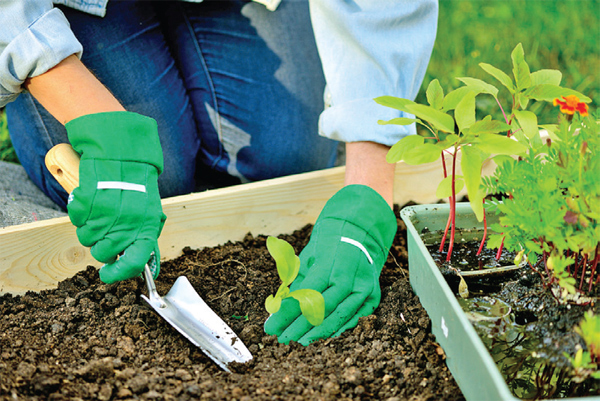


A healthy garden doesn’t have to feel like a complicated science project. Many home growers chase miracle fertilizers, jump from one chemical product to another, and still watch their plants struggle. Over the years, after talking to countless frustrated plant lovers, one pattern keeps appearing: when people finally try something natural and simple, they often get better results than all the expensive chemical mixes combined. That’s exactly why worm castings—especially products known as organic garden solutions worm castings—have quietly become the secret weapon of everyday gardeners.
The stories come in with the same rhythm. Someone is tired of buying fertilizers that promise miracles but deliver disappointment. They want something clean, natural, and safe for kids and pets. And then they stumble on a humble, almost funny-sounding substance: worm poop. But once they give it a chance, the results become hard to ignore.
Earth worm casting is basically the nutrient-rich material left after worms digest organic scraps. Through this natural process, the material becomes soft, fine, and full of microbes that help plants absorb nutrients more efficiently. The magic doesn’t lie in chemicals; it lies in biology—soil that breathes better, holds moisture longer, and feeds plants in a slow, steady way. For many first-time users, the simplicity is refreshing. No burning leaves, no toxic smell, no complicated mixing.
A customer once told me that wiggle worm casting turned her failing tomato plant into a little personal victory garden. After two seasons of sad, drooping vines, she sprinkled the castings around the soil, watered as usual, and suddenly new growth began to show within weeks. Her reaction was the same reaction I hear from many others: relief mixed with surprise that something so gentle could have such a strong effect.
Organic worm casting is extremely easy to use. Most people just sprinkle it on top of the soil and water. Yet the power shows up in long-term consistency. One customer who grows indoor plants said her soil became softer and more alive after using worm castings every two weeks. The leaves grew thicker, greener, and stronger—as if the plants were finally getting the daily nutrition they had been craving.
More and more gardeners are searching where to buy worm casting after hearing friends rave about it. Many local plant shops now stock it because the demand keeps rising. Customers love that it's natural, safe, and non-messy. Shops love that it actually works, because nothing builds trust faster than a product that shows real results.
Of course, some people are curious about how to make worm casting at home. A few try using buckets, leftover veggies, and a handful of worms. While some succeed, many eventually give up. Maintaining the right moisture and avoiding foul smells takes patience. Most people end up buying ready-made castings because consistency matters. Home-grown castings can be great, but not everyone has the time to manage a mini worm farm in their backyard or laundry room.
Brands like gaia green worm casting often show up in customer stories, mainly because of their clean packaging and steady quality. Others talk about brut worm casting for its fine texture that mixes easily with potting soil. And for those with several plants or small gardens, bulk worm casting is the most economical choice. They use it freely without worrying about running out every month.
A common question for beginners is how to use worm casting in potted plants without damaging the roots. People often fear it will behave like chemical fertilizers that burn leaves or stunt growth. But worm castings are incredibly gentle. A couple of tablespoons for a small pot, or a handful for a large one, is more than enough. Water it in and let nature take over. There’s practically no risk of overuse and no harsh reaction on sensitive plants.
One of the funniest things I hear from customers is that they bought worm castings purely for plant nutrition but ended up getting an unexpected bonus. After using it for several months, many people report a noticeable drop in soil pests like fungus gnats. The soil becomes biologically healthier, and plants naturally become more resistant. It’s not marketed as a pesticide, but stronger roots and active microbes often lead to fewer pest problems. Customers see it as a quiet double win.
Those same customers often tell me they already use other effective products at home for different problems, including household dust treatments like the dust they once used to eliminate termites. After seeing how natural methods can be powerful, they feel more confident switching to organic solutions for their plants. They appreciate how worm castings follow nature’s rhythm—steady, slow, and reliable.
People also ask things beyond the usual topics:
Is it safe for fruit trees? Can it help clay soil? Does it work in sandy soil? Can it improve seed germination? Most experienced growers agree that worm castings help almost all soil-based plants. They improve structure, boost moisture retention, and support root development. For hydroponics, though, the benefits don’t translate as well since the material needs soil to do its best work.
These stories and observations show why more people keep turning to worm castings not as a trend, but as a long-term gardening strategy. The results speak for themselves. Natural solutions often work with the environment, not against it, and that harmony shows up directly in plant health.
If this first article opens the door to understanding why worm castings work so well, the second article will take you deeper into real daily application—how satisfied users incorporate them into their routines and how the improvements show up week by week.

In the first article, we opened the door to understanding why so many gardeners shift toward natural soil builders. Now we step deeper into the daily reality of users who have made worm castings a permanent part of their plant-care routine. These aren’t dramatic, overnight success stories. They’re quiet but powerful moments when people realize their plants are responding in ways they haven’t seen before. And that’s usually the moment the product stops being “just a soil amendment” and becomes something they genuinely rely on.
One of the biggest surprises shared by users is how visible the changes become once their soil starts behaving like actual living ground again. People often forget that soil isn't supposed to be dead and compacted like concrete. When the biology inside the soil wakes up, roots explore more deeply, water moves more evenly, and plants behave with confidence. This is the consistent feedback I hear, especially from those who use earth worm casting in areas where the soil used to be stubborn or lifeless.
A customer once told me she was tired of plants behaving like shy guests in her garden—wilting, hesitating, refusing to thrive. After mixing castings into her planter boxes, she noticed a shift within a couple of weeks: not dramatic, but undeniably steady. She described it like watching a child finally learn to walk after months of stumbling. Nothing explosive, just slow strength building each day.
Since many people grow on balconies, rooftops, or in small corners of their home, the question of how to use worm casting in tight spaces comes up a lot. Users eventually discover that the castings don't need much room to work. Even in a narrow herb box, a small handful every few weeks creates enough improvement in soil texture to keep plants growing actively. They like that it's a low-maintenance routine—no measuring cups, no diluting, no complicated ratios.
One customer had a set of hanging chili plants that always struggled with drying out too fast. His solution was almost accidental. He mixed a small portion of wiggle worm casting directly into the topsoil, thinking it wouldn’t make much difference. But weeks later, he noticed the soil stayed moist longer. The plants didn’t faint under the afternoon sun anymore. The castings weren’t holding water like a sponge; rather, they helped the soil itself behave more intelligently. It’s small stories like this that show how natural amendments quietly fix the root of the problem instead of masking symptoms.
By now, many hobbyists feel confident experimenting with organic worm casting on plants they previously considered “difficult,” like ferns, orchids, blueberries, or even citrus grown in pots. They gain this confidence because the castings are gentle—there’s no fear of overdose, no sharp reaction, no risk of chemical burn. It's this comfort that transforms occasional users into consistent ones.
It becomes even more interesting when gardeners start comparing different brands, which is something they initially didn’t plan to do. For instance, users who switched to gaia green worm casting often mention how light and clean the texture is. They like the steady effect: not explosive growth, but reliable progress. Others who tried brut worm casting talk about how crumbly it feels and how easily it blends with potting mixes. Most users don’t obsess over brand differences, but they enjoy discovering what works best with their own plants.
It’s also very common to hear people discuss where to buy worm casting after they’ve gone through their first bag faster than expected. They usually start by buying a small package “just to try,” and suddenly their houseplants, vegetables, and flower beds all demand a share. This leads many of them to search for suppliers who offer larger quantities. And when they find stores or suppliers that sell bulk worm casting, the purchase feels like a natural upgrade to match their growing confidence.
Users who enjoy home projects sometimes explore how to make worm casting by building simple worm bins. These experiments can be rewarding—especially for families who involve their kids, turning kitchen scraps into valuable garden nutrients. But even these DIY enthusiasts eventually acknowledge that homemade results vary widely. Some batches come out perfect, others too wet, too dry, or too acidic. That's why many still buy commercial castings while keeping their worm bins as a fun side project rather than a full replacement.
As gardeners deepen their routine, they begin noticing side benefits that go beyond plant growth. One user mentioned that after feeding her soil consistently, her outdoor beds developed fewer fungal issues. Another said he saw less compaction after heavy rain. Someone else noticed that the roots of her potted plants spread more evenly rather than circling the pot in frustration. Many have said that plants become more “forgiving,” bouncing back quicker from temperature stress or minor neglect. These small improvements stack up over time and build confidence.
A frequently asked question revolves around how to use worm casting in potted plants without disturbing established root systems. Experienced users simply scratch the surface soil lightly and sprinkle the castings around. They describe it as brushing a little food over the soil, letting water carry the nutrients downward. There's no digging, no uprooting, no stress for the plant. The simplicity becomes a kind of ritual they enjoy—quick, quiet, and effective.
People also ask unusual but interesting questions. Can worm castings help seedlings survive transplant shock? Many users say yes—because the castings act like a cushion, giving young roots a gentle environment to adapt. Can they revive overwatered soil? Not directly, but they improve structure over time, helping air return to the root zone. Can they work in raised beds that get full sun all day? Absolutely. Their moisture-balancing effect makes raised beds more resilient.
Another interesting shift happens when users embrace worm castings as part of the bigger philosophy of supporting soil health. They move away from viewing gardening as feeding plants and instead see it as feeding the soil. This mindset transformation is powerful. It’s the same momentum people experience when using natural solutions for household issues, such as when they previously used dust-based treatments for termite control and discovered that sometimes the best results come from systems that work in harmony with natural processes rather than fighting against them.
One user who tends a small rooftop vegetable patch shared that after a few months of consistent soil improvement, she harvested more than she expected—even though the weather that season wasn’t ideal. The plants simply handled stress better. Another customer growing strawberries noticed sweeter fruit after enriching the soil with castings. Was it the castings alone? Maybe not. But healthier soil creates healthier plants, and healthier plants produce better harvests. That's the beauty of gradual, biological improvement: everything moves in the right direction.
Slow gardening, the kind guided by the natural pace of soil and roots, often leads to results that feel more rewarding. Worm castings become part of this rhythm. They don’t shock the system. They don’t create sudden highs or lows. They guide the soil back to stability. For new gardeners, that stability feels like having an invisible safety net under every plant.
After seeing how worm castings fit into everyday routines, the next step is observing what happens when people use them long enough for the soil to transform in deeper and more permanent ways. Many gardeners who stay committed for months or years begin to talk about the soil in their garden as if it has its own personality—soft, responsive, and almost cooperative. It’s a shift that happens quietly, but repeatedly, across people from different climates, different gardening styles, and different levels of experience.
Long-term users often describe their garden beds as becoming more predictable. Not predictable in a boring way, but predictable in the sense that plants start behaving with stability. The soil drains the right amount, holds moisture the right amount, and supports roots the way healthy ground is supposed to. It’s the kind of reliability people rarely experience when relying solely on synthetic fertilizers. Synthetic products may offer quick results, but they don’t build the foundation. Over time, worm castings do exactly that.
One of the strongest signals of long-term improvement is the way the soil handles stress. During extreme heat or heavy rain, gardens enriched with castings seem to bounce back faster. A customer once shared that her garden looked exhausted during a heatwave, but while her neighbors’ plants suffered badly, hers only drooped temporarily before recovering overnight. She attributed that resilience to the biology that had been steadily growing in her soil over the past year.
Another customer who lived in an area with clay-heavy ground talked about how earth worm casting slowly broke the stubborn density of his soil. At first, the improvement was mild. Then, after months of consistent application, the soil finally started to crumble in his hands instead of clumping like wet cement. For him, that was a turning point. The progress didn’t happen overnight, but it stuck. This is exactly what makes natural soil improvement different from quick fixes: the improvement doesn’t disappear.
Some gardeners take their long-term approach a step further by creating routines around how to use worm casting strategically rather than randomly. They may start with a heavy application at the beginning of each growing season and then switch to lighter, more frequent applications during active growth. Others build castings directly into new soil mixes so young plants start their life in a biologically rich environment. When you speak with users who have done this for more than a year, they often describe their plants as “needing less from them.” Less water. Less emergency care. Less troubleshooting.
One rooftop gardener told me about his experience rotating crops across several planter boxes. He used wiggle worm casting consistently for all of them, but what surprised him most was what happened between rotations. Soil that had previously been compacted after root-heavy plants was now soft and full of tiny air pockets. The improvement kept making his next round of vegetables easier to grow than the last. For him, the castings became not just a fertilizer but a tool for restoring the soil after each harvest.
People who care about growing organically tend to pay attention to the life in their soil. Some even use magnifying glasses or simple soil tests to observe changes. After months of using organic worm casting, many report an increase in tiny beneficial organisms, springtails, and earthworm activity in the beds. These aren’t pests—they’re signs that the soil is functioning like a small ecosystem. When that ecosystem is active, plants absorb nutrients more efficiently. Leaves become thicker. Flowers appear more confidently. Fruit flavors improve. These observations aren’t theories; they’re recurring experiences shared by everyday gardeners.
As the months turn into years, gardeners often develop favorite brands. Some keep using gaia green worm casting because they feel the texture is consistent and blends smoothly into mixes. Others switch to brut worm casting because they prefer the way it breaks apart when mixed by hand. The specific brand matters less than the ongoing commitment to feeding the soil. Long-term users often say that switching brands doesn’t disrupt the soil’s progress as long as the castings remain natural and high-quality.
At some point, most committed gardeners begin buying larger quantities. Searching where to buy worm casting becomes less about convenience and more about securing enough supply to avoid running out during peak planting seasons. This is when bulk worm casting becomes a natural decision. No one buys in bulk unless a product has earned their trust. It’s the gardening equivalent of a vote of confidence.
But some gardeners go further and experiment with how to make worm casting themselves. After using store-bought castings for a long time, they want to understand the process from the inside. They start worm bins, feed their worms kitchen scraps, and wait for the worms to do their work. Not everyone succeeds on the first try. Moisture levels can fluctuate, bins can attract fruit flies, or the castings may come out uneven. But those who stick with it describe the process as strangely satisfying. Their homemade castings never fully replace commercial ones, but they complement them, creating a full-circle gardening experience.
Long-term users also become more observant of the subtle benefits. For example, many say that when they keep adding castings over time, they rarely deal with nutrient deficiencies like yellowing leaves or sudden stunted growth. A gardener once told me that before using natural amendments, he constantly bought supplements—calcium here, magnesium there, iron when leaves turned pale. After a year of consistent worm casting use, he realized he hadn’t purchased a single supplement in months. His plants simply stayed balanced.
Another recurring observation involves moisture management. Soil treated with castings doesn’t stay soggy, and it doesn’t dry out as quickly either. It behaves like soil with common sense. During rainy periods, it drains. During hot spells, it holds moisture. It's that stable moderation that makes gardening less stressful. People who were once scared of overwatering now relax. Those who traveled frequently no longer return home to plants that look abandoned.
For indoor growers, especially those who keep larger houseplants, the long-term benefit is even more pronounced. Indoor soil tends to degrade over time, turning hydrophobic or stale. But long-term application of how to use worm casting in potted plants keeps the soil fresh, airy, and responsive. Over the years, it prevents the slow decay that usually forces people to replace potting soil entirely. One user said she hadn’t changed the soil in her biggest indoor tree for nearly three years—and the plant had never looked healthier.
Long-term gardeners also raise deeper questions. Can castings help plants fight disease? Can they strengthen roots before winter? Can they improve seed germination rates? Many of the answers come from users rather than scientific papers. While castings are not a cure-all, the stronger soil life they support seems to make plants more resilient across the board. We see fewer fungal outbreaks, fewer root problems, and smoother transitions during seasonal changes.
Some customers even compare their gardening transformation to the time they first discovered dust-based termite treatments that worked consistently. They realized that systems built on natural mechanisms—whether for soil or for pest control—tend to give steadier long-term results than solutions built on harsh chemical reactions. It's a mindset shift: trust the process, feed the system, and let biology handle the rest.
As we close this series, we reach a simple truth shared by all long-term users: worm castings do not just feed plants; they rebuild soil. And when the soil is rebuilt, everything else becomes easier. Watering becomes intuitive. Growth becomes steady. Harvests become satisfying. And gardening turns into a hobby guided by nature instead of constant troubleshooting.
For anyone who has struggled with inconsistent soil, weak plants, or unpredictable growth, natural soil improvement offers a path that’s gentle, sustainable, and surprisingly powerful. The long-term results are worth the patience—and once you see your soil transform, you’ll understand why so many gardeners never look back.


0 komentar:
Posting Komentar