

A practical, experience-driven guide revealing simple organic gardening techniques for beginners, told through the perspective of satisfied consumers who discovered unexpected benefits along the way.
Starting a garden often begins as a small curiosity—an innocent moment when someone thinks, “Maybe I could grow something.” That single spark can turn into an entire lifestyle shift, especially when people realize how different the experience feels when everything is grown organically. Many beginners imagine organic gardening as something complicated, expensive, or reserved for experts wearing straw hats and speaking in plant poetry. In reality, it’s a very simple path once you understand the heart of the process. Organic gardening meaning, at its core, is about working with nature rather than against it, and that’s something anyone can start.
Interestingly, I’ve met countless people who began gardening after dealing with pest problems. Several customers once shared how they used dust treatments to handle termites around wood structures. After their issue was finally gone—completely resolved to the deepest nest—they felt an unexpected sense of relief and control. It sparked a desire to keep their surroundings healthier and more natural. That’s how many of them ended up exploring organic gardening practices. They said it felt like a natural continuation of protecting their homes: now they also wanted to nurture the space around it.
Their experience taught me something important. When people take action to solve a problem effectively—such as eliminating destructive pests with something proven—they gain confidence. And confidence is exactly what beginners need when stepping into gardening.
So let’s talk about how the journey into organic gardening actually unfolds, especially for someone just getting started.
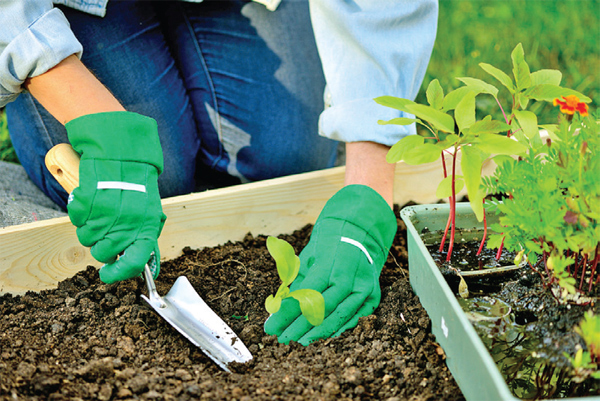
The first thing beginners usually wonder is where to start. Should they focus on soil, seeds, sunlight, or fertilizers? Truthfully, the soil is the beating heart of an organic garden. Healthy soil makes everything else easier. Think of it as the home your plants live in. If the home is stable, rich, and full of life, the plants will grow with minimal stress. Organic gardening methods rely heavily on improving the soil naturally—compost, kitchen scraps, leaves, and old grass clippings. All these things turn into nutrients when broken down by microorganisms living in the soil.
One satisfied gardener I spoke with compared good soil to a comfortable mattress. “When my soil felt fluffy and full of life, my plants shot up like they finally got a good night’s sleep,” she laughed. This simple explanation stuck with me because it captured the truth perfectly. Plants thrive when they’re not suffocated or starved.
Another important part of organic gardening is choosing the right plants. Beginners often make the mistake of picking things that don’t suit their climate, season, or space. There’s a certain charm in planting tomatoes, but if they don’t get enough sunlight, they’ll sulk like sleepy teenagers. Organic gardening thrives on harmony, and that includes respecting what your environment naturally supports. Start with plants that love your local weather. Leafy greens, chili, tomatoes, herbs—many are beginner-friendly and surprisingly forgiving.
Beginners often ask: “Do I need fertilizers?” The short answer is yes, but natural ones. Compost tea, manure, worm castings—they sound like characters from a muddy storybook, but they feed your plants beautifully. One customer said that after using termite dust to finally protect his wood shed, he decided to use only natural fertilizers because he didn’t want unnecessary chemicals around anymore. He swore his herbs tasted better afterward, although taste is always a joyful debate among gardeners.
Organic gardening also means dealing with pests naturally. Many beginners feel nervous about this part. They imagine armies of insects marching toward their plants. In reality, pests are part of nature, and gardening teaches patience and balance. Sometimes the solution is as simple as planting marigolds or basil near your vegetables. These fragrant plants scare away some bugs while attracting helpful insects like ladybugs.
Another gardener told me she found gardening relaxing after years of dealing with destructive pests around her home. Once she fixed her termite issues for good with an effective dust treatment, she developed a soft spot for beneficial insects. “I used to panic at any crawling thing,” she said. “Now I welcome ladybugs like little garden celebrities.” This shift in attitude is incredibly common. When people start seeing nature as something to collaborate with, their anxiety decreases and their appreciation grows.
One overlooked benefit that many gardeners mention is emotional well-being. There’s something calming about watering plants early in the morning or watching new leaves unfold. Several people said they began gardening as a hobby but stayed because it helped clear their minds. After they no longer worried about pests damaging their homes, gardening became their peaceful escape. When you don’t have destructive insects constantly sabotaging your surroundings, you finally have the mental space to enjoy nurturing life instead.
Another aspect beginners often struggle with is consistency. Plants need regular care, but not overwhelming effort. A few minutes a day is usually enough. Watering early in the morning is ideal because the soil absorbs moisture better. Evening watering can also work as long as the leaves stay dry, which helps prevent fungal problems. Once beginners understand this rhythm, gardening becomes surprisingly easy.
Something else people often ask is how long it takes to see results. Plants don’t work on the speed of the internet, but they reward patience generously. Some seedlings sprout in a few days, while fruiting plants take weeks or months. Observing this natural timeline teaches a quiet kind of discipline—one that many modern routines lack.
Organic gardening also creates small but meaningful benefits. Families start eating fresher food. Kids begin touching soil and discovering earthworms like little explorers. Home environments feel calmer. People start respecting nature a bit more. One person even said gardening helped them maintain their home better because they became more attentive to small changes—like noticing moisture, cracks, or loose wood, which helps prevent pest issues returning.
When beginners ask “Where should I plant things?” the simplest answer is: anywhere with sunlight, airflow, and good drainage. You don’t need a big yard. Buckets, reused wood containers, plastic pots—anything works as long as water can drain out. Organic gardening teaches creativity. Some of the best gardens I’ve seen were on balconies or narrow walkways beside houses.
Organic gardening practices remind us that nature is already incredibly smart. Plants know how to grow; our job is simply to provide a good place for them to do it. When beginners embrace this mindset, gardening becomes less about technique and more about partnership.
All these small steps—improving soil, choosing suitable plants, natural fertilizers, pest control, regular watering—create a strong foundation for organic gardening. And as many satisfied users who resolved pest issues before starting their gardens have shared, the sense of freedom and control they gained became a huge motivator. They felt empowered, in their homes and in their gardens.

The moment someone steps beyond their first planting experience, the garden begins to reveal its personality. In the first article, the focus was on understanding how organic gardening works at its simplest level. Now, we move into the part where gardeners start shaping their space, learning from small mistakes, and discovering how nature rewards consistency. Many beginners reach this stage carrying a sense of confidence that originally came from solving their own pest issues—especially those who successfully eliminated termites from their property with effective dust products. That feeling of winning a battle gives them energy to take on a new challenge, and gardening becomes the next meaningful journey.
Once the basic steps feel comfortable, gardeners begin thinking about structure. They start asking: “How do I plan my garden layout?” “Which plants belong together?” “Can I make my garden healthier without adding too much work?” These are all natural questions, and answering them often improves a beginner’s success dramatically.
A garden layout may sound like an intimidating thing, but it’s no more complicated than arranging furniture in a room. You look at the space, observe the sunlight, imagine where things might grow nicely, and then you place them in a way that feels right. Organic gardening practices work even better when plants are grouped thoughtfully because they can support one another. For example, pairing tomatoes with basil doesn’t just smell wonderful—it actually helps both plants grow stronger. The basil can repel certain insects, and the tomatoes provide partial shade for the soil, helping moisture stay longer.
This pairing strategy often surprises beginners because they don’t expect plants to act like friendly neighbors. It’s a bit like how customers who used termite dust discovered side benefits they never thought about—such as feeling safer at home, having easier maintenance routines, or simply being more comfortable leaving stored items in wooden shelves again. In gardening, the same surprising benefits appear when plants work together.
Another step that gardeners face at this stage is improving soil health over time. The soil doesn’t stay rich forever; it gets used up as plants grow. Organic gardening meaning encourages feeding the soil naturally, letting microorganisms break down organic matter into nutrients. Experienced gardeners often describe soil as a living community rather than just dirt. And beginners can boost this “community” by adding compost periodically.
But composting itself is something many people hesitate to try. They imagine bad smells or messy piles taking over the yard. In truth, composting can be extremely simple. One gardener told me she started composting only because she became confident after solving her termite issues. She said, “If I can stop pests completely, I can handle a bucket of vegetable scraps.” Her compost journey began with a small container under the sink and grew naturally from there. She loved how her garden responded—plants became greener, sturdier, and more productive.
Water management becomes the next big focus for beginners. Too much water is just as harmful as too little. The key is learning the rhythm. Organic gardening methods encourage watering deeply but not too frequently. This encourages plant roots to grow downward in search of moisture, making them stronger and more drought-resistant.
Some gardeners use simple tricks, like sticking a finger into the soil to check moisture. Others use recycled bottles to create slow-release water systems. One customer said that after fixing her termite problems, she became more observant in general—she started noticing small details like soil dryness, leaf color changes, and afternoon sunlight patterns. She believed that solving her pest issue sharpened her instincts, and those instincts carried into gardening beautifully.
At this stage, beginners also start dealing with real problems: yellowing leaves, slow growth, drooping stems, or plants getting eaten by mysterious nighttime visitors. Thankfully, most of these issues have simple solutions. Yellow leaves often mean nutrient deficiency. Drooping usually means inconsistent watering. Insects can often be deterred with natural methods like spraying diluted soap water or planting fragrant herbs.
One gardener shared an amusing story about discovering caterpillars nibbling her chili leaves. She panicked and thought her garden was doomed. But after asking around, she learned that caterpillars are common and manageable. Her panic turned into curiosity. She began checking leaves every morning while sipping her coffee, turning it into a small daily ritual. She said that after having previously dealt with destructive termites, garden pests felt minor—almost adorable in comparison.
This shift in mindset is one of the biggest benefits of gardening. People grow calmer, more patient, more observing. They celebrate small victories like new buds or fresh harvests. One customer even said the satisfaction she felt after using dust to eliminate termite nests resurfaced in her garden journey—this time in a gentler, more nurturing way.
Beginners also start learning about seasonal cycles. Every region has its rhythm. Some plants love the heat, while others prefer cool months. Many new gardeners don’t realize that planting at the wrong time can make even the easiest crops fail. When beginners understand seasonal timing, gardening suddenly feels easier. The garden stops resisting and starts cooperating.
Another important part of growing an organic garden is supporting biodiversity. This means allowing the garden to host a variety of plants, insects, and microorganisms. Some gardeners worry when they see too many insects, but in organic gardening, diversity is a strength. A mix of insects usually keeps harmful pests under control without human intervention. This is why experienced gardeners rarely panic—they trust nature’s balance.
Of course, beginners don’t always trust this right away. Many come to gardening from a background of feeling stressed about pests—especially those who once dealt with damaging insects like termites. But after experiencing the effectiveness of a good dust treatment, many said they became more comfortable with the idea that not all insects are enemies. In fact, many are allies.
Another area beginners start exploring at this stage is growing food. Harvesting your own vegetables brings a sense of pride that’s hard to describe. People describe the taste as fresher, sweeter, more alive. Whether it’s psychological or genuinely different, the satisfaction is undeniably real. Several gardeners told me their kids became more interested in vegetables simply because they grew them at home. Children enjoy picking cherry tomatoes or pulling carrots like treasure hunters.
And then there’s the financial benefit. Organic produce can be expensive in stores. Growing your own—even a small amount—can reduce costs. It also gives you more control over quality. People who once felt helpless against household pests now feel empowered from two directions: their homes are protected, and their gardens are producing food.
Some gardeners even began selling small amounts of herbs or vegetables to neighbors. Not as a business, but as a hobby that pays for its own seeds. They said it felt rewarding to share something grown with care.

Reaching the third stage of an organic gardening journey is like stepping into a quiet level of mastery—still simple, still gentle, but filled with more understanding than when everything first began. By this point, beginners usually start seeing their garden as something alive, something that grows alongside them. The small mistakes, the trial-and-error, the unexpected surprises—all of these experiences accumulate into confidence. And confidence, for many gardeners, often began long before they planted anything at all. Many had already proven to themselves that they could solve stubborn problems, like the customers who eliminated termite infestations using dust treatments that wiped out the colonies all the way to their hidden nests. Once they succeeded in taking care of their homes, they naturally carried that same determination and self-assurance into their gardens.
This stage often brings a new kind of curiosity. Gardeners start asking deeper questions: How can I keep my garden productive long-term? What can I do to make the soil richer year after year? How do I grow healthier plants without needing constant maintenance? These questions mark the transition from beginners to sustainable growers.
One thing that becomes clear at this level is that an organic garden works best when the gardener pays attention to cycles. Nature follows patterns. Soil replenishes itself through decomposition. Plants go through growth phases. Insects appear in certain seasons. Weather changes the mood of the garden. Understanding these cycles is what makes long-term organic gardening feel smooth and almost effortless.
One woman I spoke to said that once she recognized the rhythms of her garden, everything became simpler. She had previously faced severe termite damage in her storage shed, the kind that leaves wood hollow and brittle. After using dust and finally ending the problem completely, she became more observant. That sharpened awareness transferred to her garden. She began noticing when certain plants perked up, when leaves started to pale, when rainfall patterns shifted. She said the garden became like a living calendar.
At this point, gardeners start focusing on soil maintenance. Not just feeding the soil, but building it. Long-term organic gardening thrives on adding layers of organic matter. Some gardeners use mulch—dry leaves, straw, or shredded branches—to cover the soil surface. Mulch does many quiet wonders: it keeps soil moist, stops weeds from growing, and slowly breaks down into nutrients. It also encourages earthworms, which are like tiny underground farmers turning old matter into new life.
Mulching becomes something of a ritual. Gardeners collect fallen leaves, trim old branches, and recycle them back into the soil. They often say the garden begins to feel self-sustaining. One gardener described it beautifully: “The more I give back to the soil, the more the soil gives back to me.” And it’s true. Plants grow with less effort when the soil is alive.
Another thing gardeners begin exploring is crop rotation. This is a simple but powerful technique. Instead of planting the same thing in the same place every time, they rotate plant types. Leafy greens, fruiting plants, root vegetables—they each use and give different nutrients. Rotating them prevents soil exhaustion and reduces pests naturally. It’s one of the oldest organic gardening practices, and beginners are often surprised by how much healthier their plants look after applying it for a season or two.
Some gardeners even take this further by planting cover crops—plants grown not for harvest, but to enrich the soil. Legumes like beans and peas help fix nitrogen into the soil. Grasses loosen the structure. When these plants are later cut down and left to decompose, they turn into natural fertilizer. It sounds advanced, but the process is incredibly simple. One gardener told me she enjoyed planting cover crops because it made her feel like she was giving her garden a “spa treatment.”
Water conservation also becomes a big priority. Once gardeners understand how plants respond to water, they look for efficiency. Rainwater collection becomes popular. Some people place buckets or containers to catch rain and use it for watering. Others set up drip systems using repurposed hoses or bottles. Instead of watering the surface lightly, they direct water deeper into the soil, encouraging roots to grow stronger. This method saves time and reduces plant stress.
As gardeners become more skilled, they also encounter more complex challenges. Fungal diseases, nutrient imbalances, sudden weather shifts—these are normal. But what separates experienced gardeners from overwhelmed beginners is their calm approach. They observe first, then act. And because they already learned to handle big problems in the past—like the customers who ended termite issues with dust—they approach new challenges with practical confidence, not panic.
One gardener shared how her cucumber plants suddenly developed powdery mildew, a common white coating on leaves. Years ago, she would have reacted with anxiety. But now she simply adjusted airflow, removed a few affected leaves, and sprayed with a natural mixture of diluted milk. The plants recovered beautifully. Experience teaches that most garden problems have simple solutions.
Another long-term technique gardeners adopt is companion planting at a larger scale. In the second article, the simple plant pairings were mentioned. Now the concept expands. Gardeners start designing entire sections intentionally. Flowers attract pollinators, herbs repel pests, tall plants create shade for shorter ones. The garden becomes a community that cooperates internally. Some even plant small habitats—like leaving stones, sticks, or tiny water dishes for beneficial insects and small creatures. They create micro-ecosystems where nature handles many tasks on its own.
This harmony is what organic gardening meaning is truly about. It’s not just growing without chemicals. It’s creating a balanced, natural space where everything—from worms to flowers—plays a role. The more gardeners embrace this philosophy, the easier everything becomes.
As time goes on, many gardeners also begin saving seeds. This is one of the most satisfying long-term practices. When a plant produces fruit, gardeners select the healthiest ones, dry the seeds, and store them. Over time, seeds adapt to the local environment, producing stronger plants each year. There’s something incredibly personal about planting seeds from a plant you grew yourself. It connects people to the rhythm of nature in a deeper way.
Some gardeners even share seeds with neighbors, just as they once shared pest-control advice when they found dust treatments that worked. Community grows naturally around shared experiences. Small exchanges of seeds, vegetables, or gardening tips build connections that often last years.
Emotional benefits also deepen at this stage. The garden becomes a place to unwind, a space for quiet thought, a corner for morning routines. Many gardeners say it becomes a stabilizing part of their lives. One customer said gardening helped her rebuild her daily habits after going through a stressful time. The peaceful routine of checking plants each morning replaced the anxiety she felt when she used to fear termite damage returning. Her plants became symbols of progress.
Another long-term benefit is how gardening influences family life. Children become more curious about nature. Adults spend more time outdoors. Meals include fresher ingredients. People feel more grounded. Some even say gardening helped them appreciate the value of slow, steady progress in life.
This third article completes the journey. From learning the basics, to gaining confidence, to building long-term sustainability, the process of organic gardening becomes a meaningful experience. What began as a simple attempt to grow a few plants often turns into a lifestyle—one rooted in patience, awareness, and appreciation of nature’s cycles.
And just like the satisfaction customers feel after solving their pest problems fully with effective dust, gardening provides another kind of fulfillment—one that grows leaf by leaf, season by season.


